
Mechanical Single Mill Roll Tongs

Mill Roll Tongs
- Commodity name: Mill Roll Tongs
Keyword:
Mill Roll Tongs
Mill Roll Tongs
- PRODUCT DESCRIPTION
-
Product Description
Mill roll tongs are specially designed for heavy‑duty roll handling in steel plants and rolling mill workshops, enabling safe and precise lifting operations.
Key Features
Customized design – Ensures a secure grip on rolls while effectively preventing surface damage.
Improved maintenance efficiency – Enhances roll maintenance operations.
Production reliability – Boosts the reliability of the overall production process.

Mechanical Double Mill Roll Tongs

Electromotive Mill Roll Tongs

Mechanical Single Mill Roll Tongs

Application
Used in rolling mill grinding workshops for:
Lifting single rolls onto and off the grinder
Transferring individual rolls
Operating Principle
The tongs open and close through a gravity‑actuated mechanism, allowing the jaws to securely clamp the roll during operation.
Support & Roll Compatibility
When lifting a roll, the tongs are supported on the roll's bearing housings via support structures at both ends.
The device can handle 2–3 types of rolls.
When lifting rolls of different diameters, the support height is adjusted by inserting or removing positioning pins.
Pin adjustment is convenient, simple, and reliable.
Surface Protection
The inner clamping surfaces that contact the roll are lined with copper plates to prevent any indentation or surface damage during lifting.
Load Capacity (t)
Roll Diameter (mm)
Amax (mm)
B (mm)
Hmax (mm)
L (mm)
Self Weight (kg)
20
560 — 620
1850
800
2050
2800
7600
30
720 — 800
2480
900
2930
3000
11500
40
800 — 1200
2650
1000
3200
3200
13500
Mechanical Double Mill Roll Tongs

Double Roll Lifting Device
Application
The double roll lifting device is used in roll shops of rolling mills for handling double‑roll assemblies.
Operating Principle
The tongs open through a gravity‑actuated mechanical mechanism. During operation, the jaws securely clamp the rolls.
Support & Roll Compatibility
When lifting the roll assembly, the tongs are supported directly on the roll's bearing housings via support structures at both ends.
The tongs can handle 1–3 different roll diameters.
For different roll sizes, the support height is adjusted by inserting or removing positioning pins – a method that is convenient, simple, and reliable.
Surface Protection
The inner gripping surfaces that contact the rolls are lined with steel plates to ensure that no indentations are left on the roll surface during handling.
Load Capacity (t)
Roll Diameter (mm)
A (mm)
B (mm)
H (mm)
L (mm)
Self Weight (kg)
20
560 — 720
1850
800
2850
2800
8600
40
720 — 800
2480
900
3555
3000
12500
60
800 — 1200
2650
1000
4020
3200
14500
Electromotive Mill Roll Tongs
Electric Mill Roll Tongs
Application
Used in rolling mill grinding workshops for:
Lifting single rolls onto and off the grinder
Transferring individual rolls
Operating Principle
The tongs are opened and closed by an electric actuation mechanism. During operation, the pins on the tong arms align with the pin holes on the roll sides. Positioning plates at both ends ensure the correct relative alignment between the pin and the pin hole.
Surface Protection & Safety
The inner gripping surfaces that contact the roll are lined with nylon plates.
Equipped with limit sensors to prevent any indentation or surface damage when contacting the roll.
Lifting Tongs – Safety & Operating Precautions
Stop the test lift immediately if any abnormal noise, deformation, or cracks are observed.
Proceed with lifting and transporting only after the test lift has been successfully completed and the equipment is confirmed to be in proper working condition.
Ensure clear communication – During lifting operations, all personnel must clearly understand the warning signals and maintain visual or audible communication with the operator.
No personnel allowed under the load – Standing under a suspended load is strictly prohibited.
Manual support of the load is strictly forbidden – Never attempt to manually stabilize or support the load during lifting.
Rotary Lock Issues
If the rotary lock becomes stiff or fails to rotate into position during use:
Inspect and adjust the regulating nut.
Check whether the pawl's tension spring is damaged; replace if necessary.
Check for jamming in the transmission mechanism. If caused by poor lubrication, apply lubricating oil or grease to all moving joints. If guide pins are too tight, loosen the nuts appropriately. If looseness, deformation of the transmission tube, or deformation of linkage rods is found, correct them accordingly.
Buffer Spring & Wire Rope
Check whether the buffer spring has insufficient extension. If the extension is too small, shorten the steel wire rope that connects to the buffer spring.
Clean and lubricate wire ropes regularly, especially at bending points, using suitable lubricating oil or grease.
Indicator Markings
Prevent indicator markings on the tong's indicator plates from peeling. Reapply the original marking paint immediately once peeling is found.
Primary Load‑Bearing Components
Primary load‑bearing components (e.g., lifting lugs, rotary locks, plates, and rigging shackles) should be inspected at least once every three months under normal operating conditions. These parts must not exhibit cracks or significant deformation.
Lubrication Points
All oil cups – including those on the ratchet mechanism, sliding bearing housings, and rotary lock housing – should be lubricated in a timely manner according to operating conditions. Lubrication should also be applied to the main moving joints as needed.
Rope Clips & Buffer Spring
Regularly check whether rope clips are loose and whether buffer springs are overstretched; address any abnormalities immediately.
Never exceed the rated lifting capacity of the lifting device, and do not allow the buffer spring to be overstretched.
Operation Guidelines
Ensure smooth and steady lifting during operations to avoid deformation caused by impact between the lifting device, crane, or other equipment.
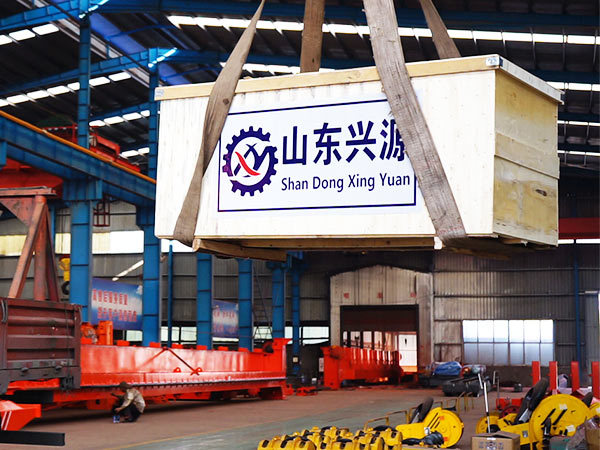
FACTORY APPEARANCE
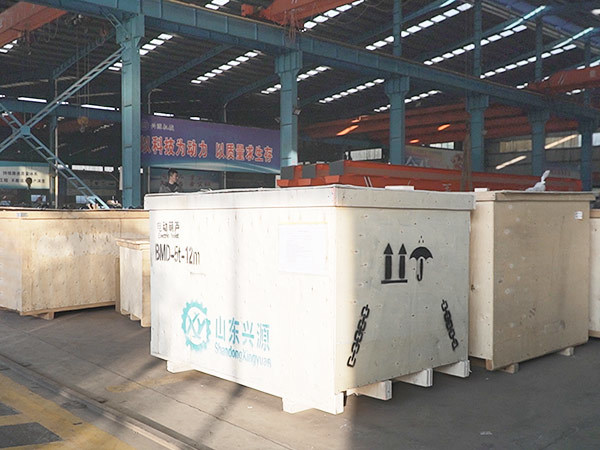
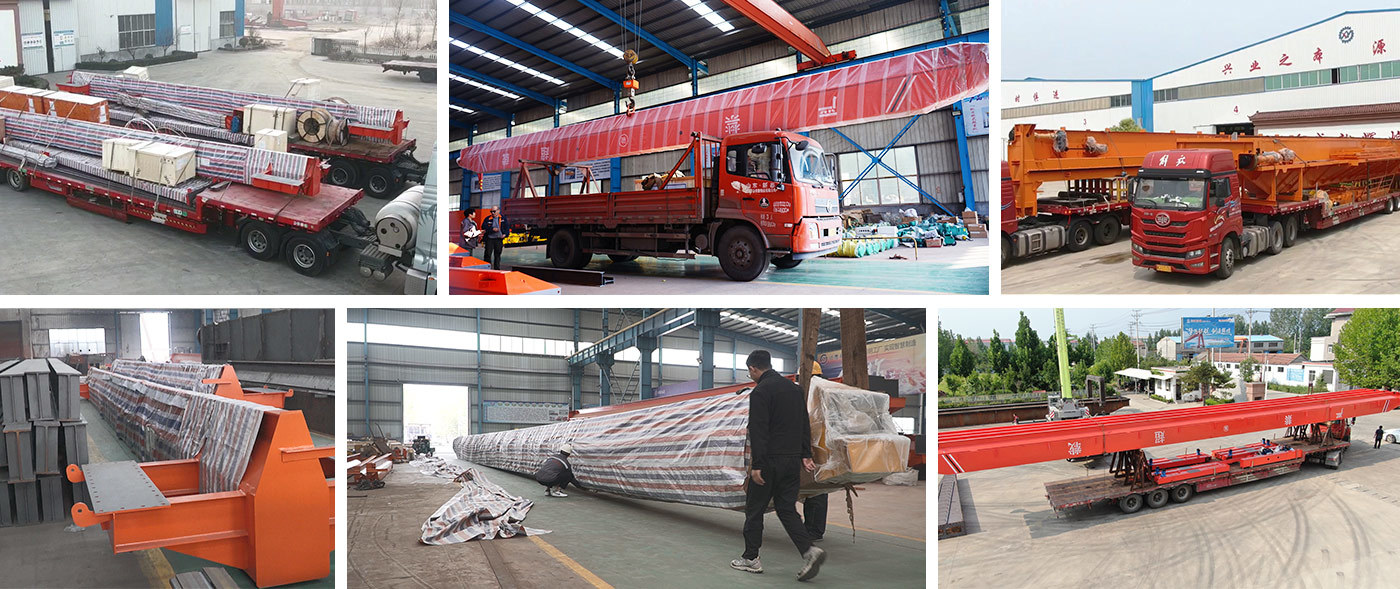
PACKING AND DELIVERY
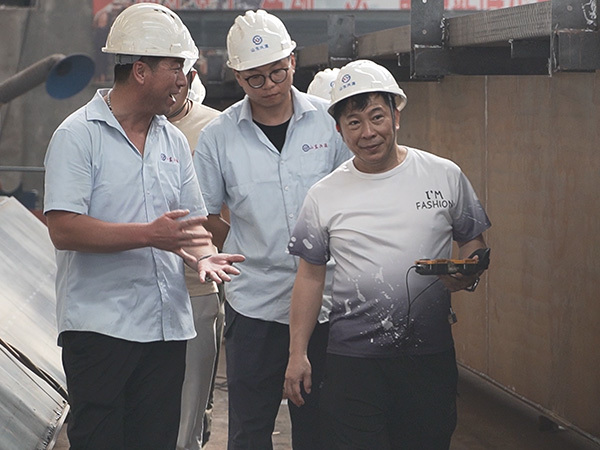
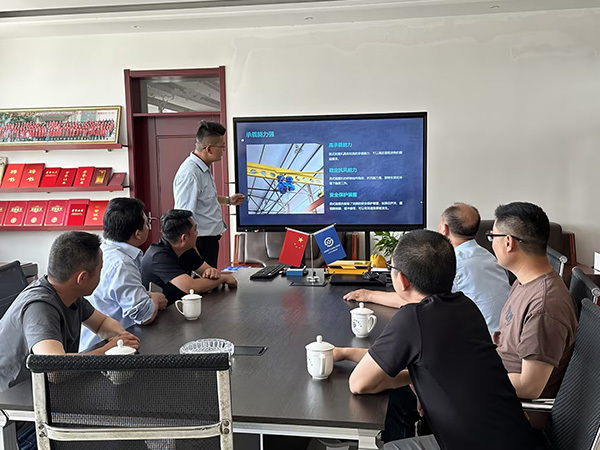
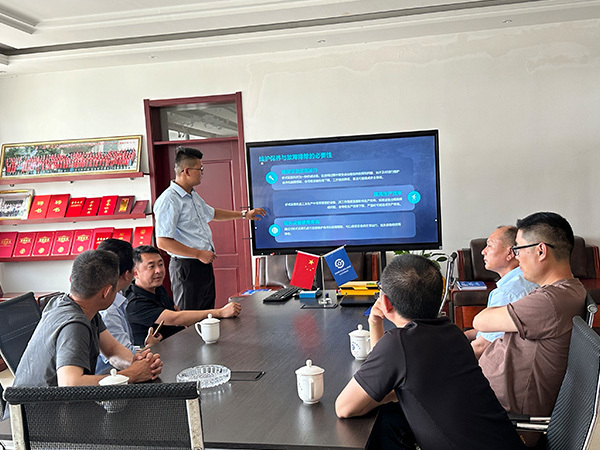
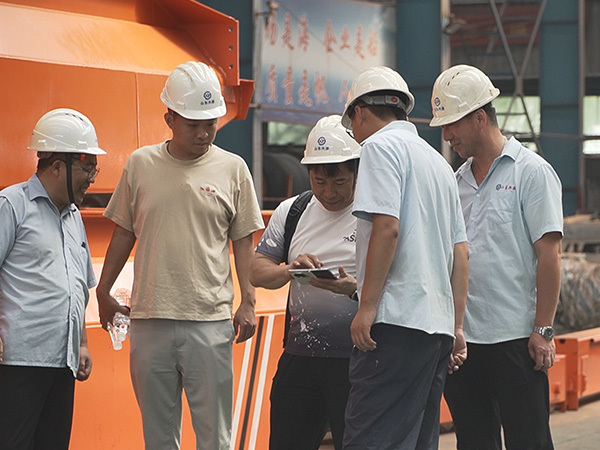
CUSTOMER VISIT


HONOR
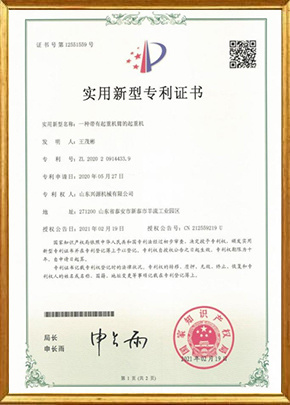
HONOR
The quality reaches the first-class level
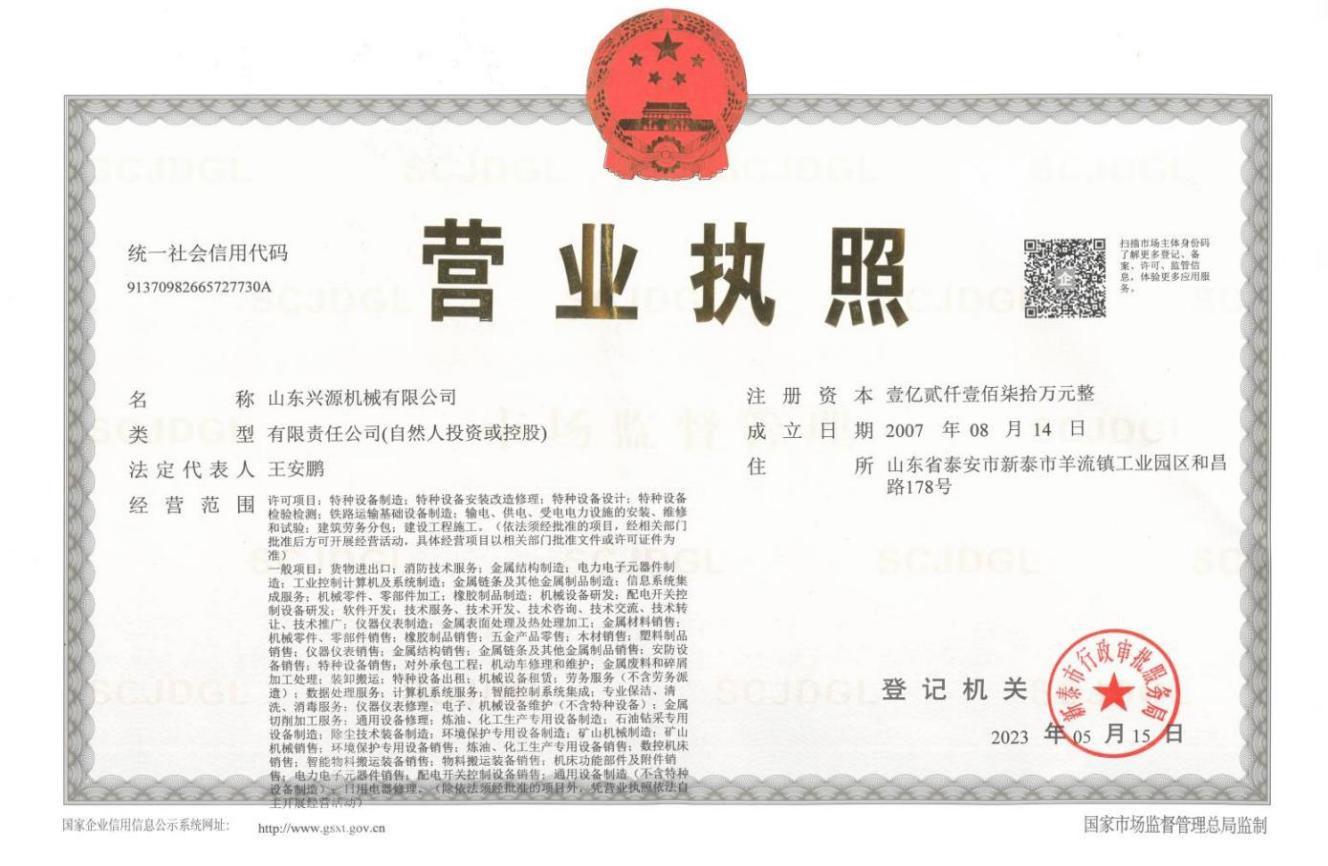
It is a member unit of the China Crane Industry Association, a "national second-level enterprise", a first-level safety certification enterprise, an A-level installation, transformation, and maintenance enterprise, and a national designated manufacturer of lifting machinery. It has a mechanical engineering "Design Certificate", "Production License" and manufacturing, installation, repair, transformation, and maintenance "Safety Approval Certificate", and has passed ISO9001 quality system certification, ISO14001 environmental system certification and ISO45001 occupational health and safety management system certification.
FAQ
What’s the information should l provide when inquiry?
The more details or drawings, the better. Such as Lifting capacity, Lifting Height, Span, Voltage or other special requirements.
Can you provide custom service?
Yes, of course. We are manufacturer and we have our own engineer group. They can work out customized design according to your requirement. You just need to tell us your requirements.
How do you guarantee the quality?
We will constantly check the quality during the manufacturing process, and strictly test the equipment before shipment,and we will also send you a quality certificate.
How do you package the product?
1.Electric parts are packed by high quality plywood crate, to reduce distortion in conveying.
2.If the size are suitable for container ship, usually by container.
3.Big size, usually by bulk ship or by container after truncation
4.Transport ways are based on reducing cost & keep safety.
2.If the size are suitable for container ship, usually by container.
3.Big size, usually by bulk ship or by container after truncation
4.Transport ways are based on reducing cost & keep safety.
Are there professional technicians to assist in the installation?
Yes. We have a professional installation team and have been to many counties to assist in installation. if you need us to provide this service, please let us know in advance and we will provide you with the best solution.
What international certifications have your crane passed?
Our crane has passed CE, ISO, GOST, SGS, TUV, BV,and so on.
ONLINE INQUIRY

POPULAR PRODUCTS
CONSULTAR
Copyright : SHANDONG XINGYUAN MACHINERY CO., LTD. Powerby : CEGLOBAL | SEO | Privacy agreement