
FestoonCables

Overhead Crane Cables
- Commodity name: Overhead Crane Cables
Keyword:
Overhead Crane Cables
Overhead Crane Cables
- PRODUCT DESCRIPTION
-
Overhead Crane Cables – Overview
Vital for Crane Operations
Overhead crane cables are vital for powering, controlling, and signaling crane systems, ensuring efficient and safe operations.
Four Main Types
Crane cables are broadly divided into four types, each designed to meet specific operational needs:
Type
Application
Festoon Cables
For flexible motion applications
Chain Cables
For heavy‑duty lifting
Drum Reeling Cables
For reeling / winding applications
Pendant Cables
For precise control
Reliability & Durability
Each cable type provides reliability and durability in demanding industrial environments.

Chain Cables

Drum ReelingCables

Pendant Cables

Festoon Cables


Festoon Cables – Round & Flat Types
Product Overview
Festoon cables are available in round and flat configurations.
Designed for harsh environments, these cables are made with imported specialty materials and unique manufacturing processes. They feature:
Flexibility
Wear resistance
Oil resistance
Weather resistance
Acid‑alkali resistance
Tensile strength
UV protection
Optional flame retardancy
Product Structure
Component
Material
Conductor
Multi‑strand, tinned oxygen‑free copper wire – compliant with VDE0295 CLASS 6 standards
Insulation
High‑strength composite materials
Sheath
Premium PUR (Polyurethane)
Technical Parameters
Parameter
Specification
Voltage
0.6 / 1 KV
Test voltage
3.5 KV / 5 min (AC)
Bending radius – fixed installation
5 × cable outer diameter
Bending radius – flexible installation
6–10 × cable outer diameter
Operating temperature
-15°C to +70°C
Specifications

Application Scenarios

Application Scenarios
Chain CablesProduct Overview
Chain cables are designed for use inside drag chain boxes, hence the name. These high‑flexibility cables move, bend, and are continuously dragged and rubbed by the drag chain during operation.
The drag chain resembles a tank’s track, which is why chain cables are sometimes referred to as “tank chain cables.”
Protection & Benefits
These cables are protected by the drag chain, which provides:
Prevention of tangling – Keeps cables organized and untangled
Wear protection – Reduces abrasion and friction damage
Pull‑out prevention – Secures cables during movement
Scatter prevention – Keeps cables contained and orderly
As a result, the chain cable design extends service life compared to unprotected cable configurations.
Chain Cables – Features
Flexibility
Chain cables require excellent bending resistance to withstand frequent bending motions. Without good flexibility, repeated bending can lead to cable breakage.
Drag Resistance
These cables are dragged by the chain box during operation, requiring materials that can resist being easily pulled apart. Both the conductor and sheath materials are specifically selected for their drag resistance.
Wear Resistance
Chain cables constantly rub against the drag chain, making wear resistance critical. Standard flexible cables cannot be used for this purpose due to insufficient wear resistance – their sheaths would wear out too quickly.
Other Performance Features
Chain cables are used in various types of equipment and operating environments. Different environments require different performance characteristics:
Requirement
Typical Application
Low‑temperature resistance
Northern winters / cold climates
High‑temperature resistance
Steel mills / foundries
Oil resistance
Machine shops / industrial environments
Waterproofing
Outdoor or wet environments
Acid‑alkali resistance
Chemical plants
Corrosion resistance
Harsh industrial conditions
Drum Reeling Cables


Drum Flat Cables
Features
These cables are characterized by:
High wear resistance
High strength
Excellent flexibility
Tear resistance
Waterproof properties
Bending resistance
Fold resistance
Oil resistance
Cold resistance (-40°C to +80°C)
UV protection
Flame retardancy
Service life in high‑frequency use is at least three times longer than standard rubber flat cables.
Product Structure
Component
Material / Specification
Conductor
Multi‑strand ultra‑fine tinned oxygen‑free copper wire – compliant with VDE0295 CLASS 6
Insulation
Special mixed PVC insulation material
Core wire color
Numbered or color‑coded (customizable per customer requirements)
Inner sheath
Special high‑strength composite material
Outer sheath
Polyurethane (PUR)
Outer sheath colors
Grey, black, orange (custom colors available upon request)
Technical Parameters
Parameter
Specification
Rated voltage
≥0.5mm²: 300/500V; <0.5mm²: 300/300V
Test voltage
2500V
Temperature range – Fixed installation
-40°C to +105°C
Temperature range – Flexible installation
-40°C to +105°C
Minimum bending radius – Fixed installation
5 × cable outer diameter
Minimum bending radius – Flexible installation
7.5 × cable outer diameter
Overhead Crane Cables – Reliable, Durable & Cost‑Effective
Vital for Safe Power Transmission
Overhead crane cables are vital for powering, controlling, and signaling crane systems, ensuring efficient and safe operations.
They are broadly divided into four types: Festoon Cables for flexible motion, Chain Cables for heavy‑duty lifting, Drum Reeling Cables for reeling applications, and Pendant Cables for precise control. Each type is designed to meet specific operational needs, providing reliability and durability in demanding industrial environments.
Festoon Cables – Round & Flat Types
Designed for Harsh Environments
Festoon cables are available in round and flat configurations. They are made with imported specialty materials and unique manufacturing processes.
Key features: flexibility, wear resistance, oil resistance, weather resistance, acid‑alkali resistance, tensile strength, UV protection, and optional flame retardancy.
Product Structure
Conductor: Multi‑strand, tinned oxygen‑free copper wire, compliant with VDE0295 CLASS 6 standards
Insulation: High‑strength composite materials
Sheath: Premium PUR (Polyurethane)
Technical Parameters
Voltage: 0.6/1KV
Test Voltage: 3.5KV/5min (AC)
Bending Radius – Fixed Installation: 5 × cable outer diameter
Bending Radius – Flexible Installation: 6–10 × cable outer diameter
Operating Temperature: -15°C to +70°C
Application Scenarios
Festoon Round Cables – Used in industrial automation power supply systems for production lines
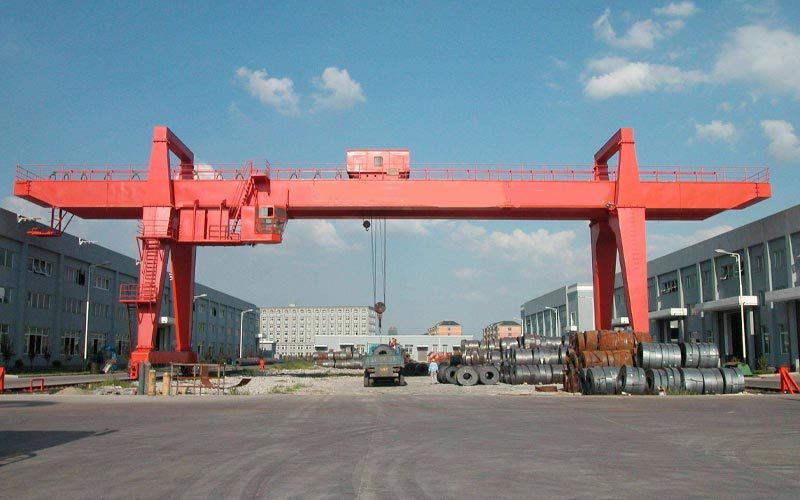
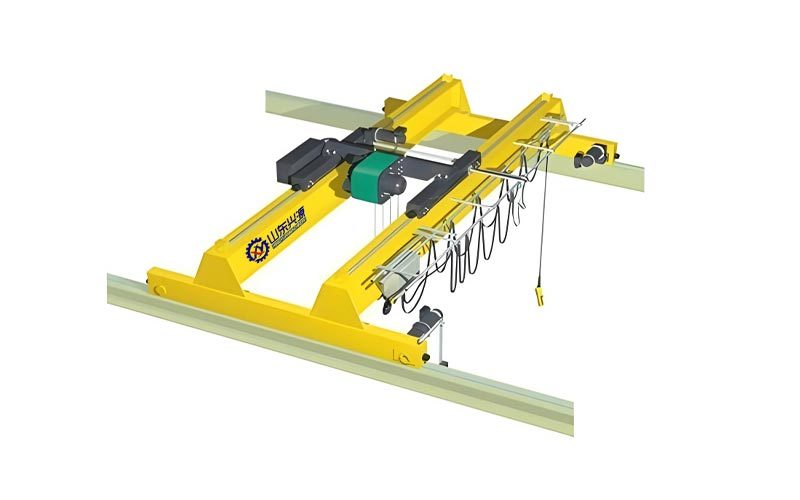
Flat Festoon Cables – Suitable for festoon systems in lifting and long‑stroke material handling equipment, such as overhead cranes, coal yard tippers, and metallurgical hoists. The cables are suspended and move back and forth, bending as they follow the festoon system.
Chain Cables
Product Overview
Chain cables are designed for use inside drag chain boxes, hence the name. These high‑flexibility cables move, bend, and are continuously dragged and rubbed by the drag chain during operation. The drag chain resembles a tank’s track, which is why chain cables are sometimes referred to as “tank chain cables.” These cables are protected by the drag chain, preventing tangling, wear, pull‑out, and scattering, thereby extending their service life.
Features
Flexibility: Chain cables need good bending resistance to withstand frequent bending motions, which can cause breakage without it.
Drag Resistance: These cables are dragged by the chain box during operation, requiring materials that can resist being easily pulled apart. The conductor and sheath materials are selected for their drag resistance.
Wear Resistance: Chain cables constantly rub against the drag chain, making wear resistance critical. Standard flexible cables cannot be used for this purpose due to insufficient wear resistance, as their sheaths would wear out too quickly.
Other Features: Chain cables are used in various types of equipment and operating environments. Different environments require different performance characteristics. For example, cables used in northern winters must have low‑temperature resistance, those used in steel mills need high‑temperature resistance, and others may need oil resistance, waterproofing, acid‑alkali resistance, and corrosion resistance.
Application Scenarios
Chain cables used in the power supply systems of gantry crane trolleys
Drum Reeling Cables – Flat & Round Types
Drum Flat Cables
Features
These cables are characterized by high wear resistance, high strength, excellent flexibility, tear resistance, waterproof properties, bending resistance, fold resistance, oil resistance, cold resistance (-40°C to +80°C), UV protection, and flame retardancy. Their service life in high‑frequency use is at least three times longer than standard rubber flat cables.
Product Structure
Conductor: Multi‑strand ultra‑fine tinned oxygen‑free copper wire, compliant with VDE0295 CLASS 6 standards
Insulation: Special mixed PVC insulation material
Core Wire Color: Numbered or color‑coded (customizable per customer requirements)
Inner Sheath: Special high‑strength composite material
Outer Sheath: Polyurethane (PUR)
Outer Sheath Colors: Grey, black, orange (custom colors available upon request)
Technical Parameters
Rated Voltage: ≥0.5mm² – 300/500V; <0.5mm² – 300/300V
Test Voltage: 2500V
Temperature Range (Fixed & Flexible): -40°C to +105°C
Minimum Bending Radius – Fixed Installation: 5 × cable outer diameter
Minimum Bending Radius – Flexible Installation: 7.5 × cable outer diameter
Application Scenarios
Flat drum cables used in the power supply systems of large gantry cranes with a hysteresis‑type cable reel mechanism
Drum Round Cables
Features
Drum round cables feature reinforced cores and are suitable for use in mobile equipment subject to high mechanical stresses, such as fast‑moving container cranes, hoisting equipment, large mobile equipment, excavators, and both surface and underground mining operations. These cables offer long service lives and stable quality, with a polyurethane sheath that enhances wear resistance and durability in harsh environments.
Product Structure
Conductor: Ultra‑fine stranded copper wire (tinned optional), compliant with IEC60228 CLASS 6
Insulation: High‑quality modified PVC
Grounding Wire: Optional, depending on cable structure (3+3 configuration)
Inner Sheath: Mixed modified PVC
Outer Sheath: Polyurethane (PUR)
Technical Parameters
Voltage: 0.6/1KV
Test Voltage: 3500V/5min (AC)
Bending Radius – Fixed Installation: 5 × cable outer diameter
Bending Radius – Flexible Installation: 10 × cable outer diameter
Temperature Range – Fixed Installation: -40°C to +90°C
Temperature Range – Flexible Installation: -35°C to +90°C
Flame Retardancy: Compliant with IEC60332‑1
Chemical Resistance: Excellent resistance to acids, alkalis, solvents, and various hydraulic oils
Weather Resistance: UV resistant – excellent performance under sunlight, suitable for outdoor use
Pendant Cables
Applications
Double steel wire crane control cables are widely used in the lifting, transportation, machinery, electrical, mining, metallurgical, port, and dock industries for crane control purposes.
These control cables are typically used for working voltages below 450/750V and in environments with temperatures ranging from -55°C to +70°C.
Product Structure
Conductor: Annealed, tensile‑resistant oxygen‑free copper
Reinforcement: High‑strength galvanized steel wires (two strands)
Insulation Sheath: Wear‑resistant nitrile rubber mixed material – specially designed for flat cables
Colors: Black, yellow (custom colors available upon request)
Filling: Jute rope
Wrapping: Non‑woven fabric
How to Maintain and Care for Crane Cables
Regularly Inspect the Connection Points
The connection points of crane cables are vulnerable to mechanical damage and corrosion. Regularly check these connections for any looseness or damage. If any issues are found, take immediate repair actions.
Keep the Cables Clean and Dry
Cranes often operate in environments exposed to dust, moisture, and other factors that can affect the cables. To maintain optimal insulation performance, regularly clean the cable surfaces and ensure proper moisture protection.
Be Mindful of Load‑Bearing and Transportation
During lifting and transportation, pay attention to the cable's load‑bearing capacity. Avoid overstretching the cables or exposing them to severe impacts, as this can damage the conductors and insulation materials.
How to Choose the Right Crane Cable Based on Operating Environment
The operating environment of the crane is a critical factor in selecting the appropriate cable. Different environments impose varying requirements on cables, so it is essential to choose a cable suited to the specific conditions.
Key environmental considerations include:
Temperature range (high heat, cold, or extreme fluctuations)
Exposure to moisture, water, or humidity
Presence of dust, dirt, or abrasive particles
Chemical exposure (oils, acids, alkalis, solvents)
UV radiation / outdoor sunlight exposure
Mechanical stress (flexing, dragging, pulling, or impact)
Selecting the correct cable for your environment ensures safe operation, longer service life, and reduced maintenance costs.
Need Help Selecting the Right Cable?
For questions related to selecting or purchasing crane cables, please contact us. Our professional team is dedicated to providing you with the best service!
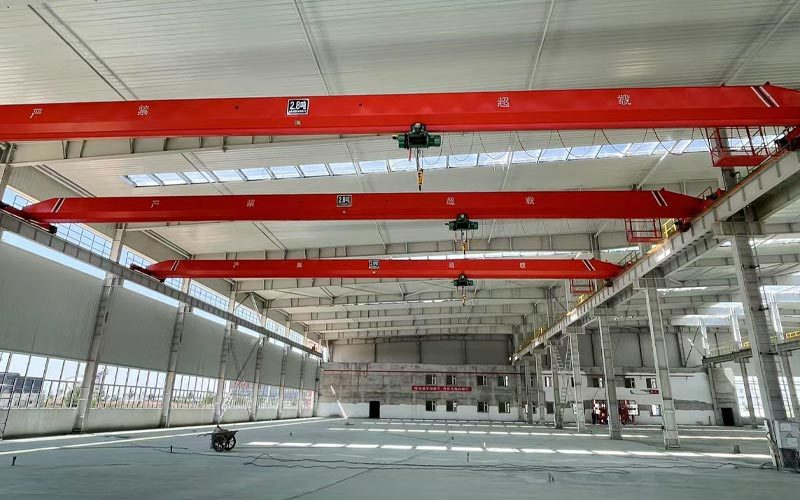
FACTORY APPEARANCE
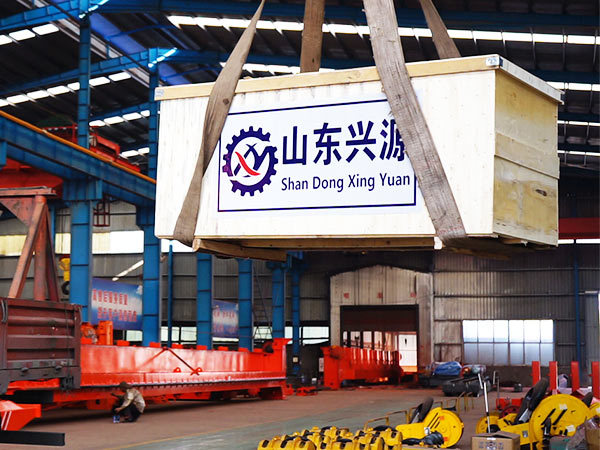
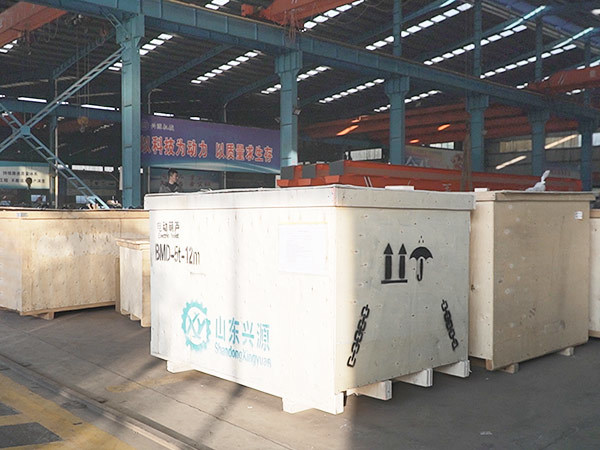
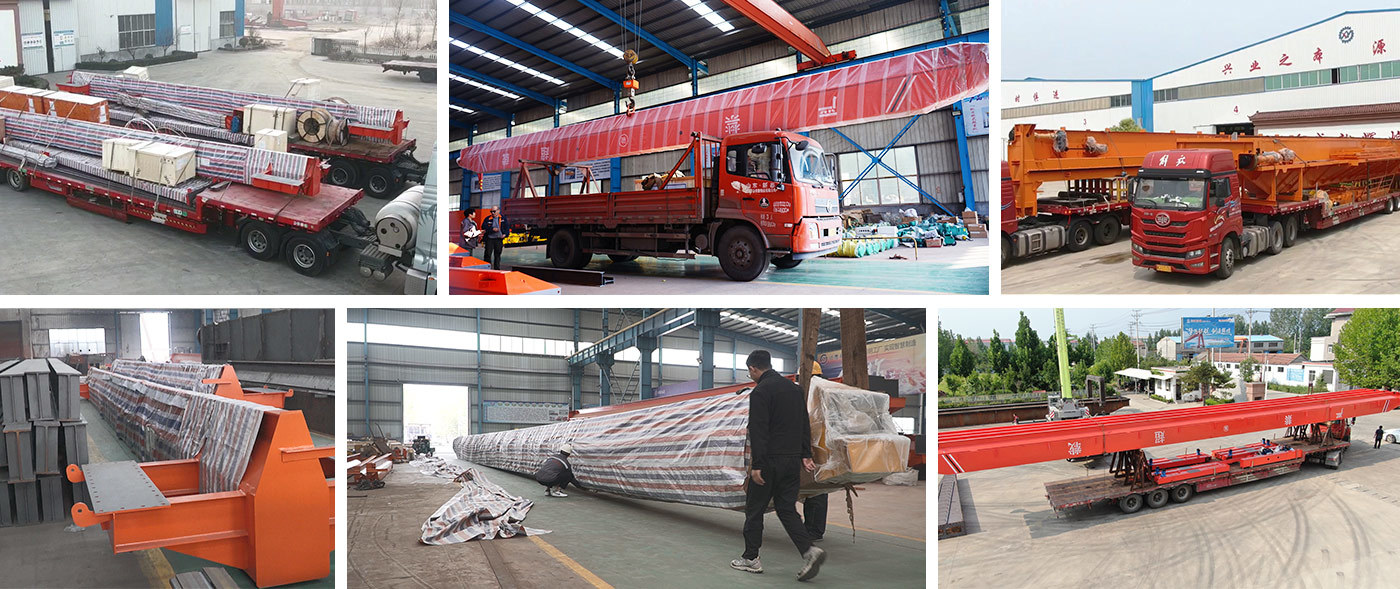
PACKING AND DELIVERY
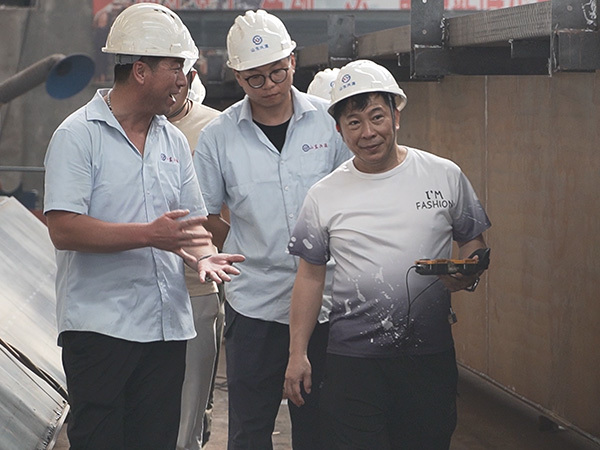
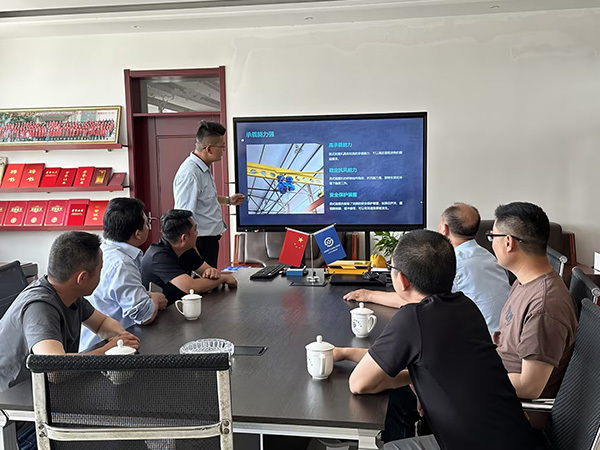
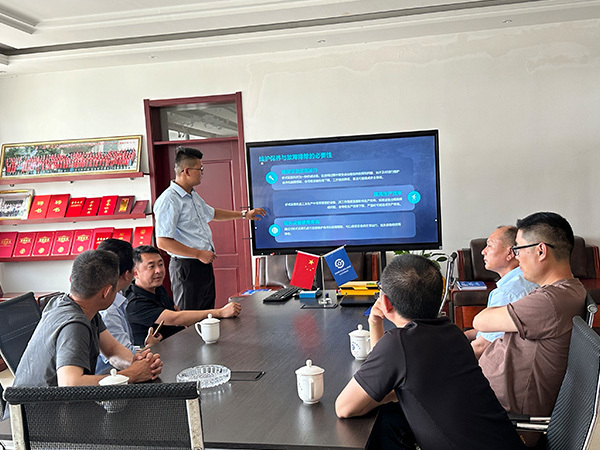
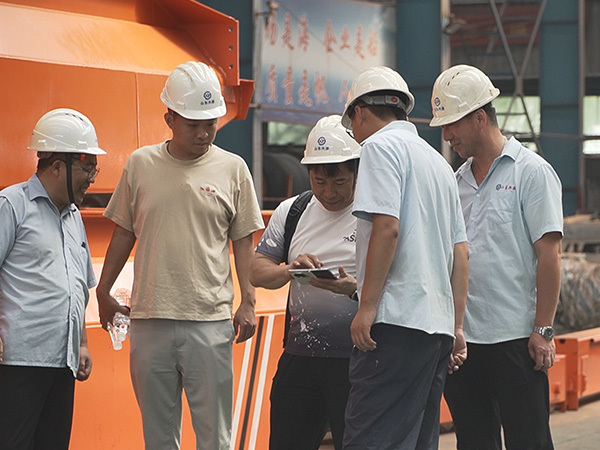
CUSTOMER VISIT


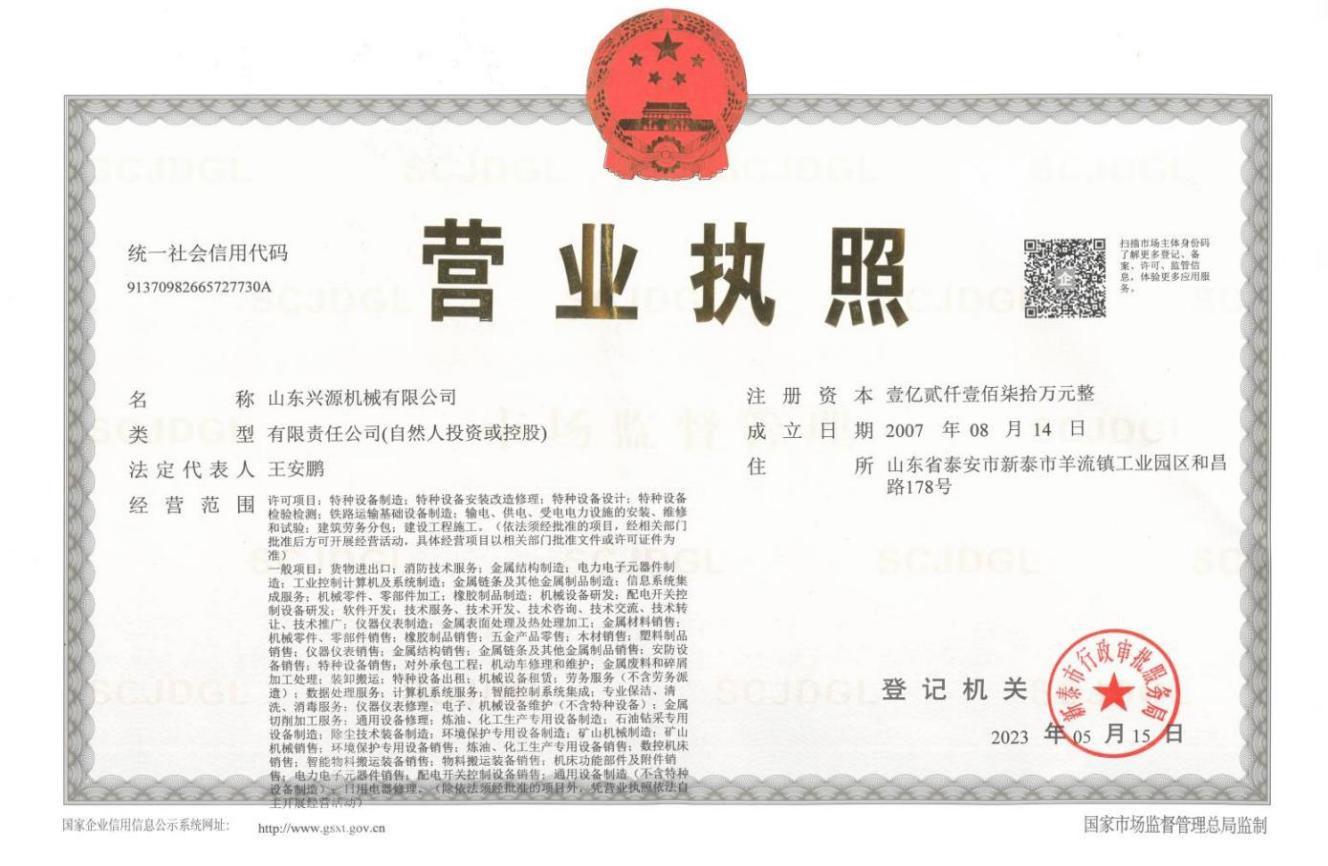
HONOR
HONOR
The quality reaches the first-class level
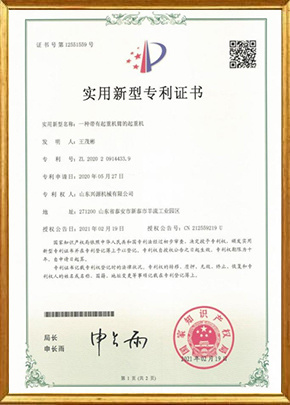
It is a member unit of the China Crane Industry Association, a "national second-level enterprise", a first-level safety certification enterprise, an A-level installation, transformation, and maintenance enterprise, and a national designated manufacturer of lifting machinery. It has a mechanical engineering "Design Certificate", "Production License" and manufacturing, installation, repair, transformation, and maintenance "Safety Approval Certificate", and has passed ISO9001 quality system certification, ISO14001 environmental system certification and ISO45001 occupational health and safety management system certification.
FAQ
What’s the information should l provide when inquiry?
The more details or drawings, the better. Such as Lifting capacity, Lifting Height, Span, Voltage or other special requirements.
Can you provide custom service?
Yes, of course. We are manufacturer and we have our own engineer group. They can work out customized design according to your requirement. You just need to tell us your requirements.
How do you guarantee the quality?
We will constantly check the quality during the manufacturing process, and strictly test the equipment before shipment,and we will also send you a quality certificate.
How do you package the product?
1.Electric parts are packed by high quality plywood crate, to reduce distortion in conveying.
2.If the size are suitable for container ship, usually by container.
3.Big size, usually by bulk ship or by container after truncation
4.Transport ways are based on reducing cost & keep safety.
2.If the size are suitable for container ship, usually by container.
3.Big size, usually by bulk ship or by container after truncation
4.Transport ways are based on reducing cost & keep safety.
Are there professional technicians to assist in the installation?
Yes. We have a professional installation team and have been to many counties to assist in installation. if you need us to provide this service, please let us know in advance and we will provide you with the best solution.
What international certifications have your crane passed?
Our crane has passed CE, ISO, GOST, SGS, TUV, BV,and so on.
ONLINE INQUIRY

POPULAR PRODUCTS
CONSULTAR
Copyright : SHANDONG XINGYUAN MACHINERY CO., LTD. Powerby : CEGLOBAL | SEO | Privacy agreement