
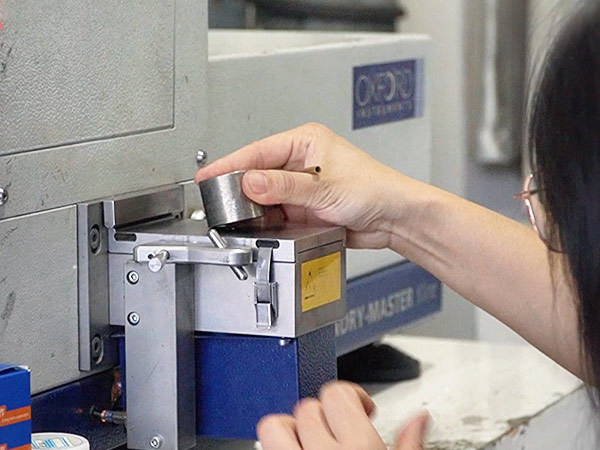
Incoming-material-test

Crane Sheaves
- Commodity name: Crane Sheaves
Keyword:
Crane Sheaves
- PRODUCT DESCRIPTION
-
Crane Pulleys
Product Overview
Pulleys are generally used for guidance and support to change the direction of the rope and its transmission force, as well as to balance the tension of the rope branches. They have a wide range of applications in crane transportation equipment.


Crane Pulleys – Overview, Classification & Applications
Overview
For pulleys used in crane transportation and other handling equipment, the material and diameter of the pulley vary significantly depending on the industry, mining application, and the diameter of the wire rope used.
To achieve labor‑saving effects in equipment, various wire rope winding methods are employed. Therefore, pulleys are generally used in groups within the equipment. Fixed pulley blocks, movable pulley blocks, and balance pulley blocks are commonly used products.
Classification
By Material:
Cast iron
Cast steel
Steel plate
Forged steel
Nylon
By Forming Method:
Casting pulley
Forging pulley
Welding pulley
By Usage / Equipment Type:
General cranes
Port cranes
Ships / marine applications
All‑terrain cranes
Detailed Applications by Equipment Type
General Cranes
Typically use cast iron, cast steel, and rolled pulleys.
Port Cranes
Typically use rolled pulleys, forged pulleys, and nylon pulleys.
Marine Pulleys (Ships)
Typically use multiple rolled pulleys and cast pulleys.
All‑Terrain Cranes
Typically use rolled pulleys and nylon pulleys.
A Standard Crane Sheaves Will Be Produced in 20 Days.

Cutting

Roll-forming

Annealing-cooling

Welding

Machining

Polishing-and-finishing

Painting

Assembly

Crane Pulleys – Selection Tips
Rolled Pulley vs. Cast Steel & Cast Iron Pulleys
The rope groove of a rolled pulley is formed by a mold, which saves raw materials and ensures high dimensional accuracy. The raw material is steel plate, offering high strength and excellent performance. Rolled pulleys have fewer defects and a more attractive appearance compared to cast steel or cast iron pulleys.
Rolled Pulley vs. Forged Pulley
A rolled pulley is made from steel plate, resulting in lower material cost. Unlike forged pulleys, which require repeated heating during the forging process, rolled pulleys have a significantly lower process cost. In terms of machining, forged pulleys require more processing time, while rolled pulleys need only simple mechanical processing to become finished products.
Although the mechanical properties of rolled pulleys are slightly lower than those of forged pulleys, when the product meets the design and usage requirements, the rolled pulley offers superior overall value.
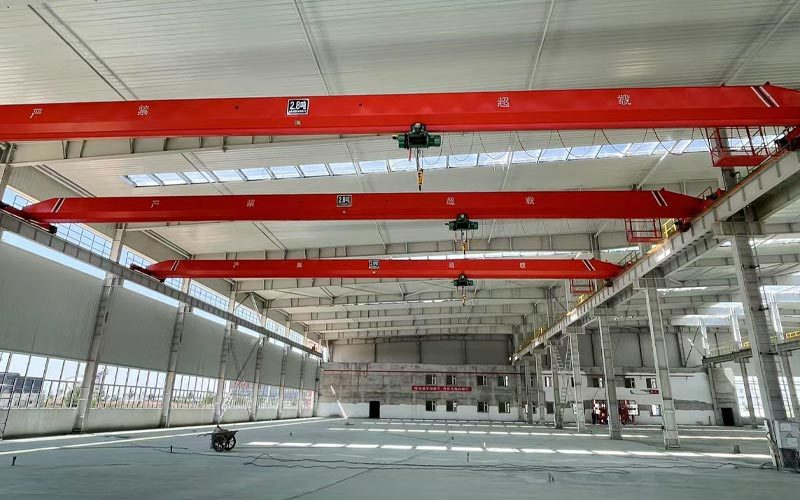
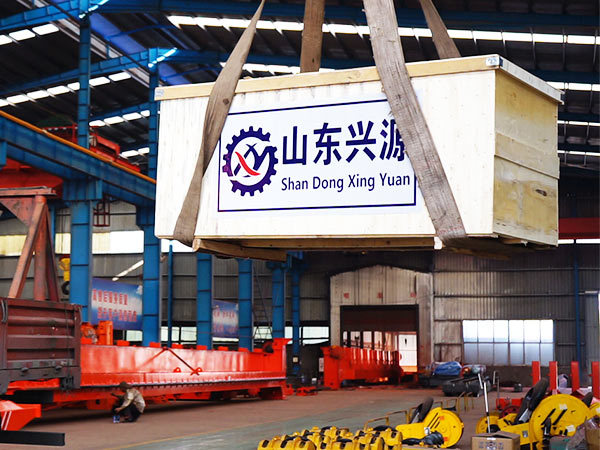
FACTORY APPEARANCE
PACKING AND DELIVERY
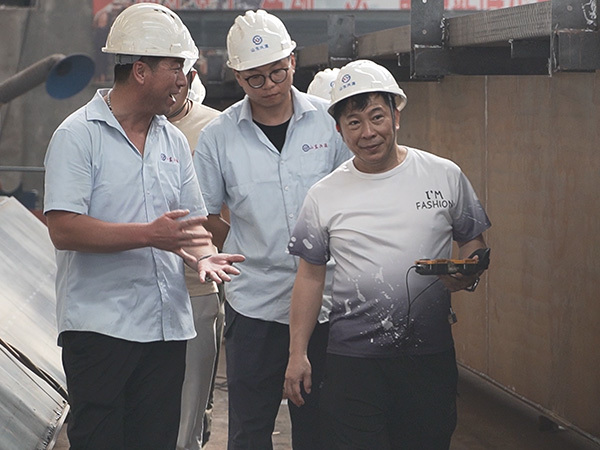
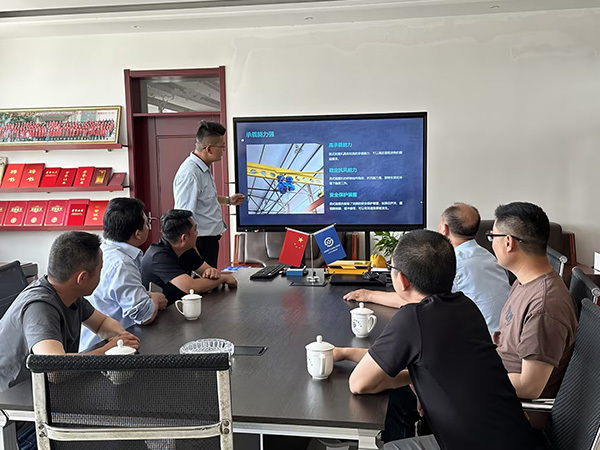
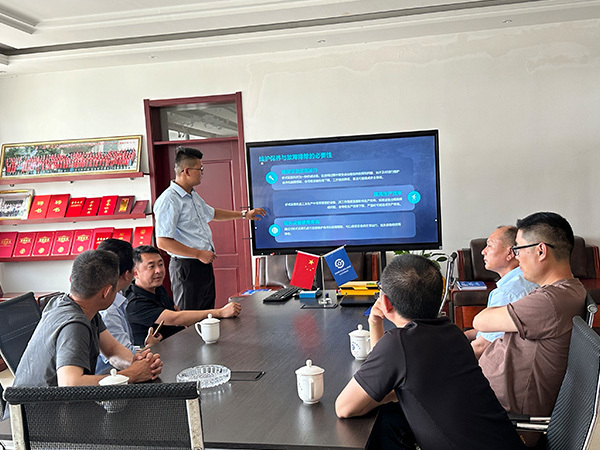
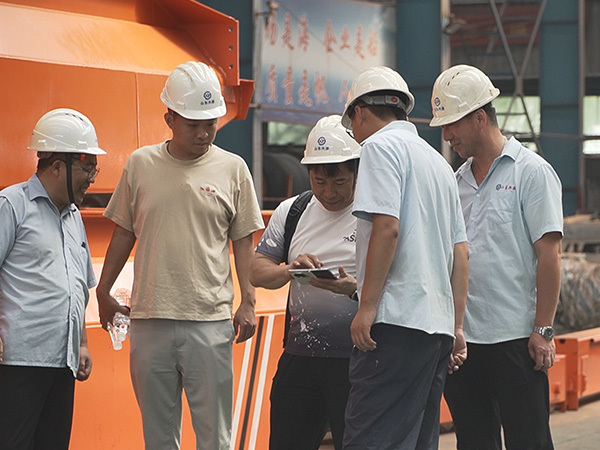
CUSTOMER VISIT


HONOR
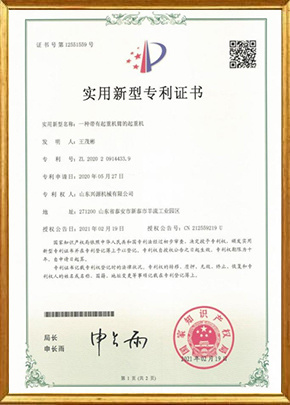
HONOR
The quality reaches the first-class level
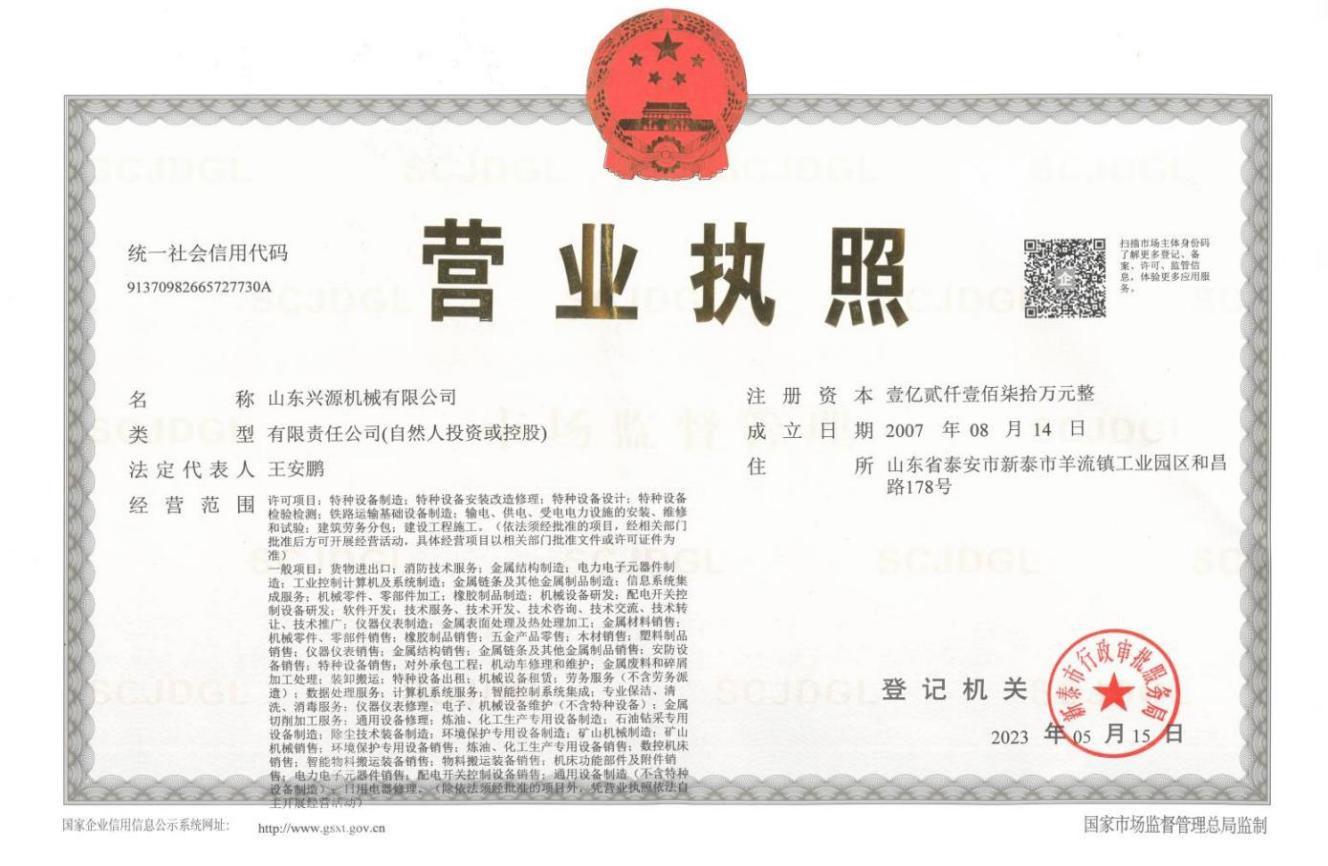
It is a member unit of the China Crane Industry Association, a "national second-level enterprise", a first-level safety certification enterprise, an A-level installation, transformation, and maintenance enterprise, and a national designated manufacturer of lifting machinery. It has a mechanical engineering "Design Certificate", "Production License" and manufacturing, installation, repair, transformation, and maintenance "Safety Approval Certificate", and has passed ISO9001 quality system certification, ISO14001 environmental system certification and ISO45001 occupational health and safety management system certification.
FAQ
What’s the information should l provide when inquiry?
The more details or drawings, the better. Such as Lifting capacity, Lifting Height, Span, Voltage or other special requirements.
Can you provide custom service?
Yes, of course. We are manufacturer and we have our own engineer group. They can work out customized design according to your requirement. You just need to tell us your requirements.
How do you guarantee the quality?
We will constantly check the quality during the manufacturing process, and strictly test the equipment before shipment,and we will also send you a quality certificate.
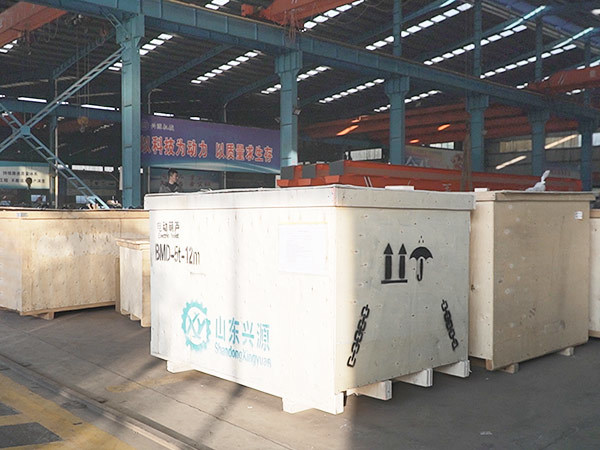
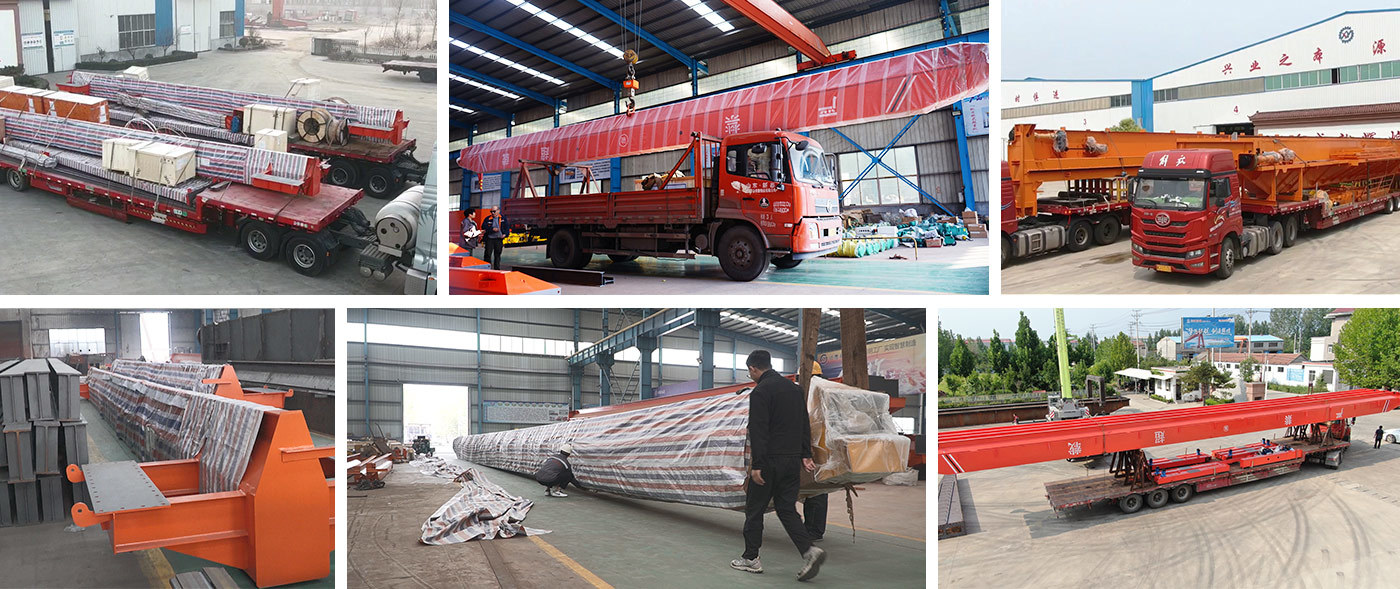
How do you package the product?
1.Electric parts are packed by high quality plywood crate, to reduce distortion in conveying.
2.If the size are suitable for container ship, usually by container.
3.Big size, usually by bulk ship or by container after truncation
4.Transport ways are based on reducing cost & keep safety.
2.If the size are suitable for container ship, usually by container.
3.Big size, usually by bulk ship or by container after truncation
4.Transport ways are based on reducing cost & keep safety.
Are there professional technicians to assist in the installation?
Yes. We have a professional installation team and have been to many counties to assist in installation. if you need us to provide this service, please let us know in advance and we will provide you with the best solution.
What international certifications have your crane passed?
Our crane has passed CE, ISO, GOST, SGS, TUV, BV,and so on.
ONLINE INQUIRY


POPULAR PRODUCTS
CONSULTAR
Copyright : SHANDONG XINGYUAN MACHINERY CO., LTD. Powerby : CEGLOBAL | SEO | Privacy agreement