

Steel Frame Structures
- Commodity name: Steel Frame Structures
Keyword:
Steel Frame Structures
Steel Frame Structures
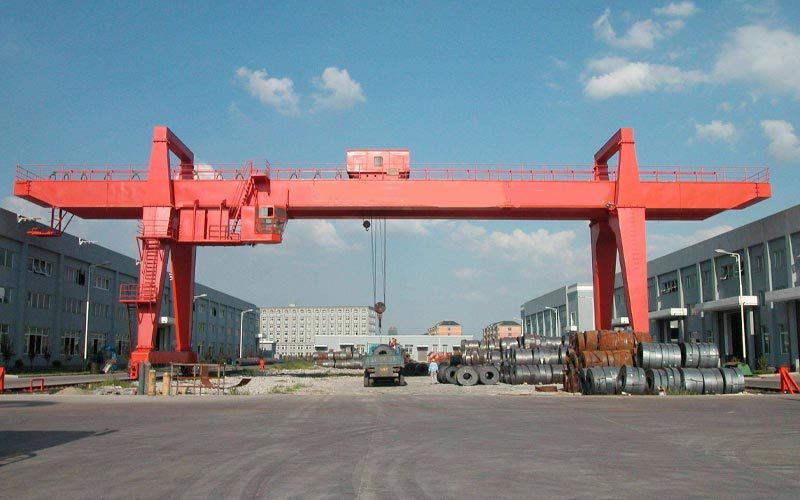
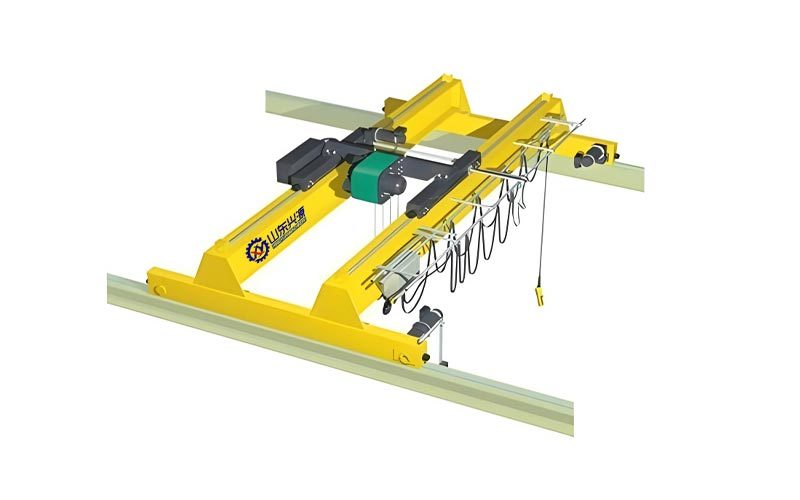
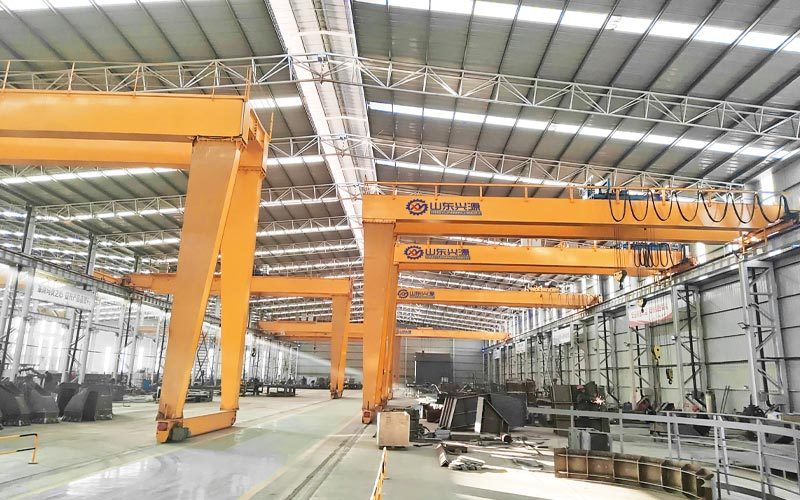
- PRODUCT DESCRIPTION
-
Steel Frame Structures – Overview
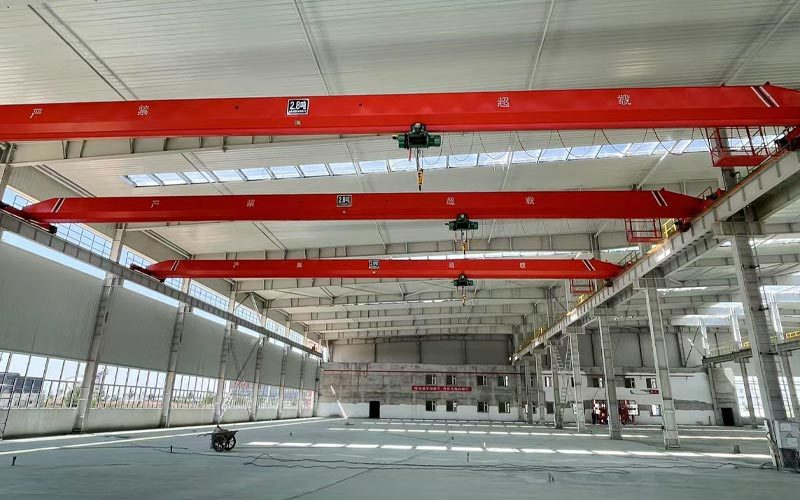
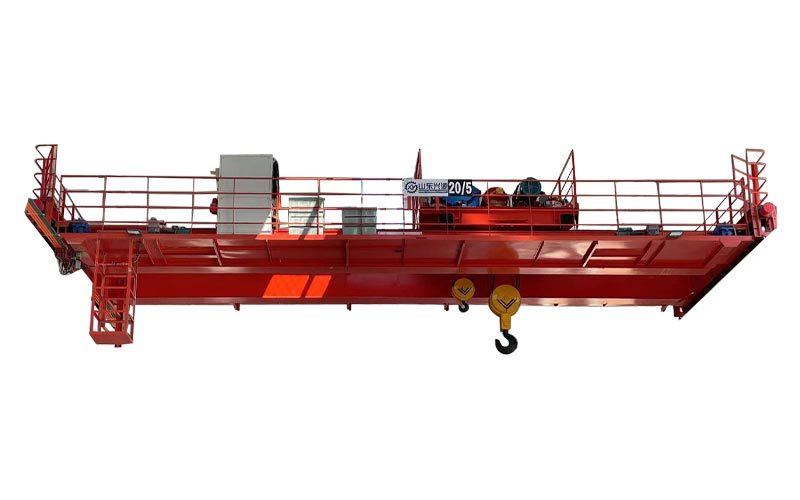
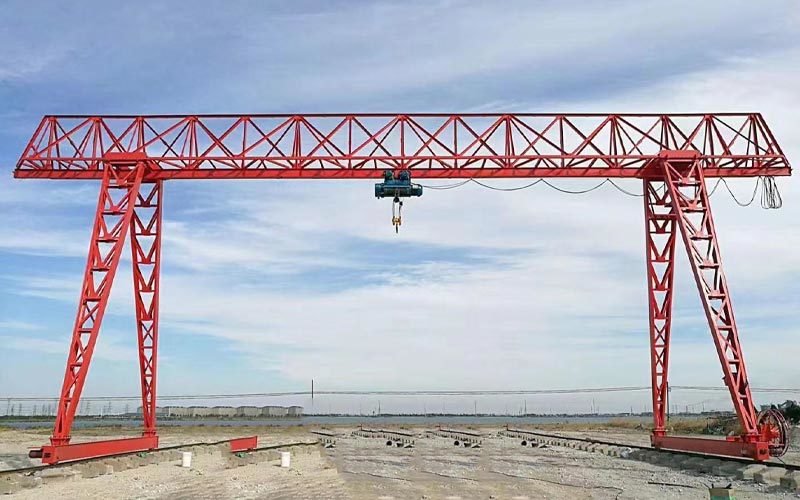
Steel frame structures refer to a structural system primarily made of steel, connected through methods such as welding, bolting, or riveting.
Applications
Steel structures are widely used in various engineering fields, including:
Buildings
Bridges
Industrial plants
Energy facilities
Towers
Advantages
Due to its high strength, light weight, and fast construction, the steel frame structure has become one of the most important forms of construction in modern architecture.


Steel Frame Structures – Features
High Strength – Steel has high strength. Compared to other materials such as concrete, steel structures can bear larger loads.
Light Weight – Steel frame structures are relatively lightweight, which reduces the burden on the foundation under the same load conditions.
Good Seismic Performance – Steel has excellent toughness and plasticity, allowing it to absorb and dissipate seismic energy, providing superior earthquake resistance.
Fast Construction Speed – Steel components can be prefabricated in factories and then transported to the construction site for assembly, significantly shortening the construction period.
Environmentally Friendly & Recyclable – Steel is a recyclable material. After the structure is dismantled, the steel can be reused, meeting sustainable development requirements.
Flexible Design – Steel frame structures can easily accommodate complex architectural designs and large‑span structures as required by the project.
Steel Frame Structure Construction Techniques
Steel Structure Processing and Fabrication
Material Preparation
The first step in steel structure construction is selecting the appropriate steel materials, commonly carbon structural steel, low‑alloy steel, etc.Cutting and Shaping
Steel materials are cut, drilled, beveled, and otherwise processed according to the design drawings.Welding
Welding quality in steel structures is crucial to the safety of the project. Prior to welding, strict welding procedure qualifications are required. Common welding methods include manual arc welding, gas shielded welding, and others.Steel Component Assembly
Steel component assembly is usually completed in the fabrication shop and then transported to the construction site. During assembly, it is essential to ensure that connections between components are secure. Common connection methods include welding, bolting, and riveting.
During the assembly process, particular attention must be paid to the verticality, horizontality, and other positional requirements of the components, with temporary supports and fixing devices used to ensure the stability of components during installation.
Corrosion and Fire Protection Treatment
Corrosion Protection
Steel exposed to air for long periods is prone to corrosion. Therefore, surface treatments such as sandblasting and rust removal are required during construction. Common corrosion protection methods include applying anti‑rust paint and hot‑dip galvanizing.Fire Protection
Since steel loses its strength at high temperatures, steel structures need fire protection treatments. Common fireproofing measures include spraying fire‑resistant coatings and cladding with fireproof boards.Inspection and Acceptance of Steel Structures
After the steel frame structure is completed, strict inspection and acceptance procedures must be carried out. Inspection items include:
Checking welding quality
Checking bolted connections for tightness
Checking component deformation
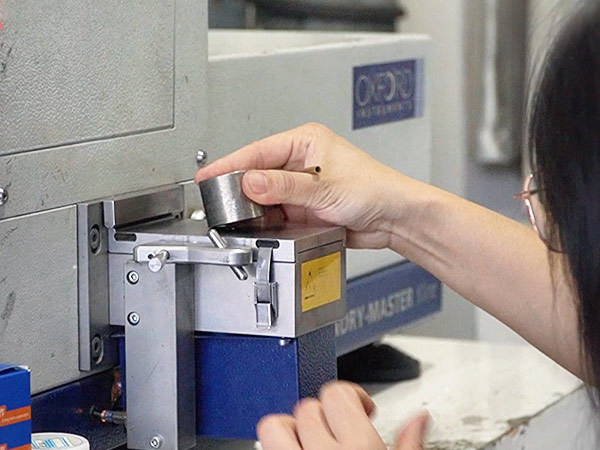
Common inspection methods include ultrasonic testing, radiography (X‑ray), and magnetic particle testing.
Production Equipments


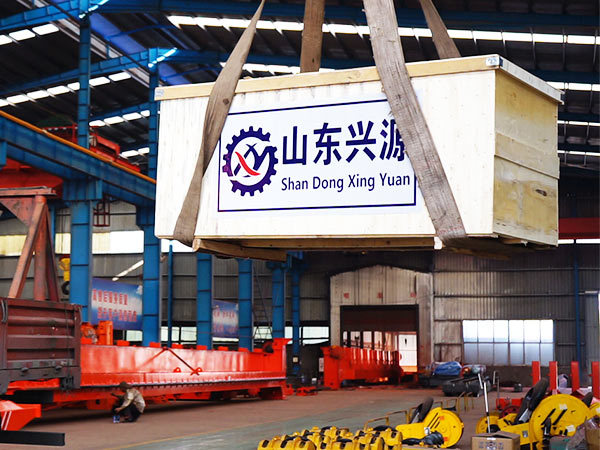
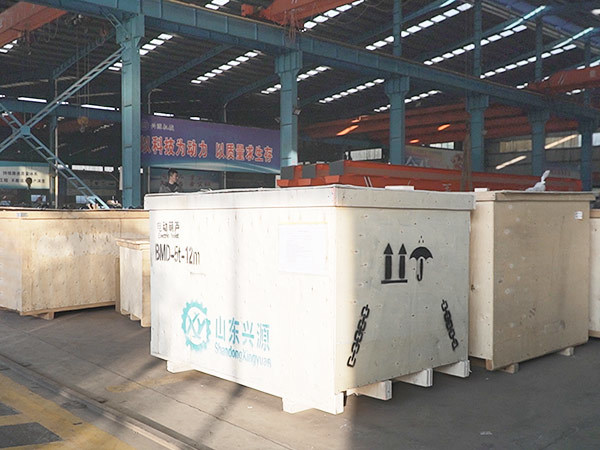
FACTORY APPEARANCE
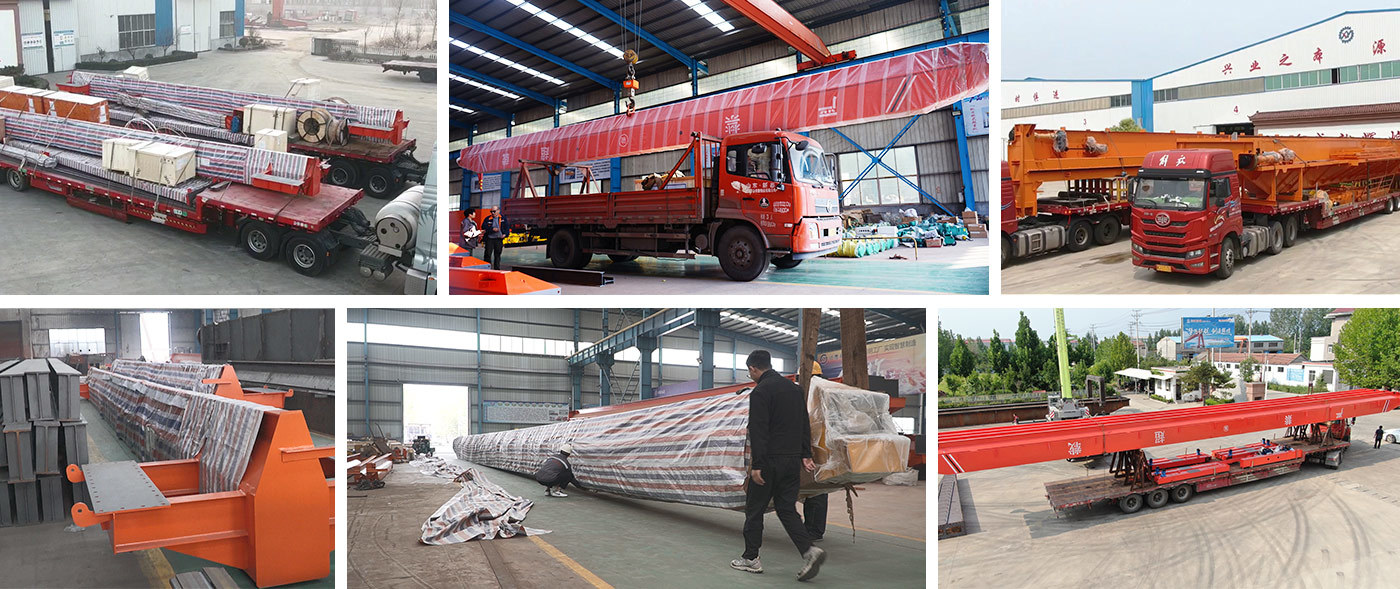
PACKING AND DELIVERY
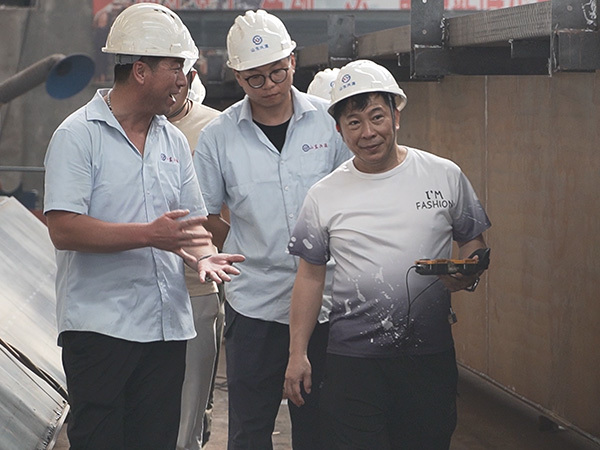
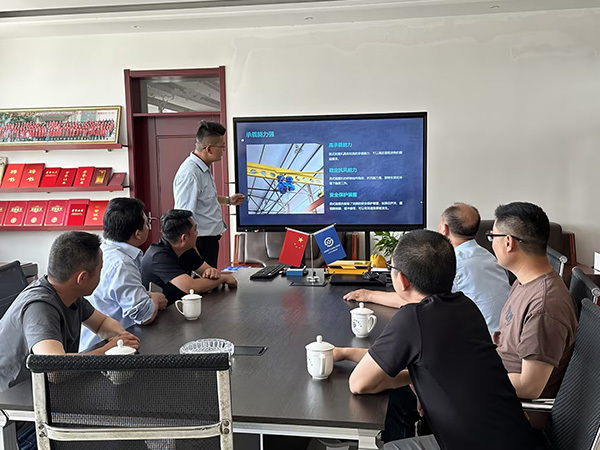
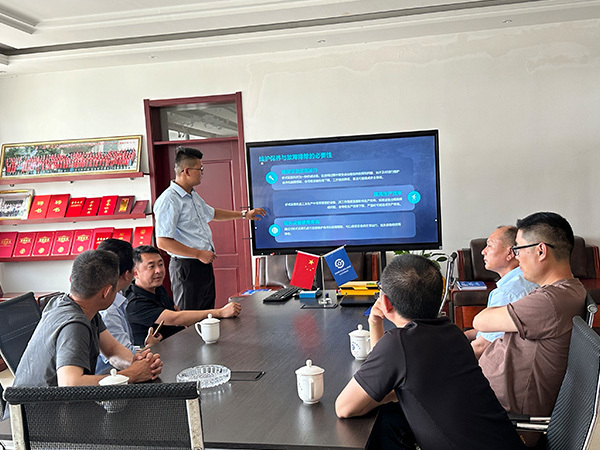
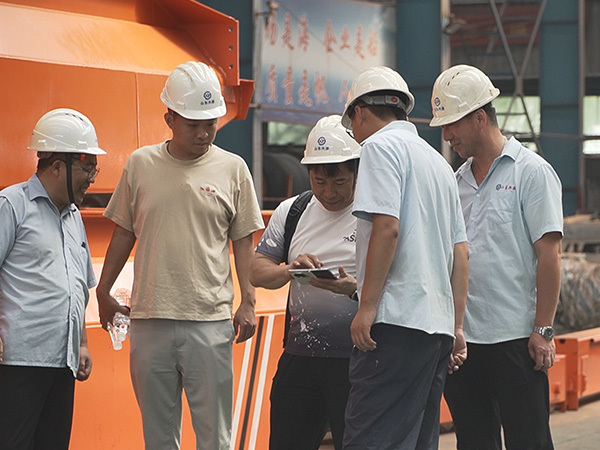
CUSTOMER VISIT


HONOR
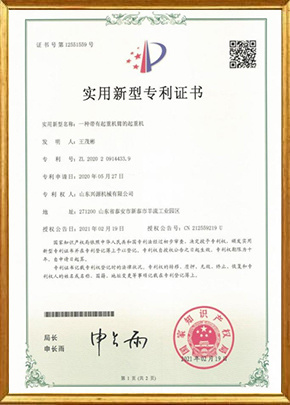
HONOR
The quality reaches the first-class level
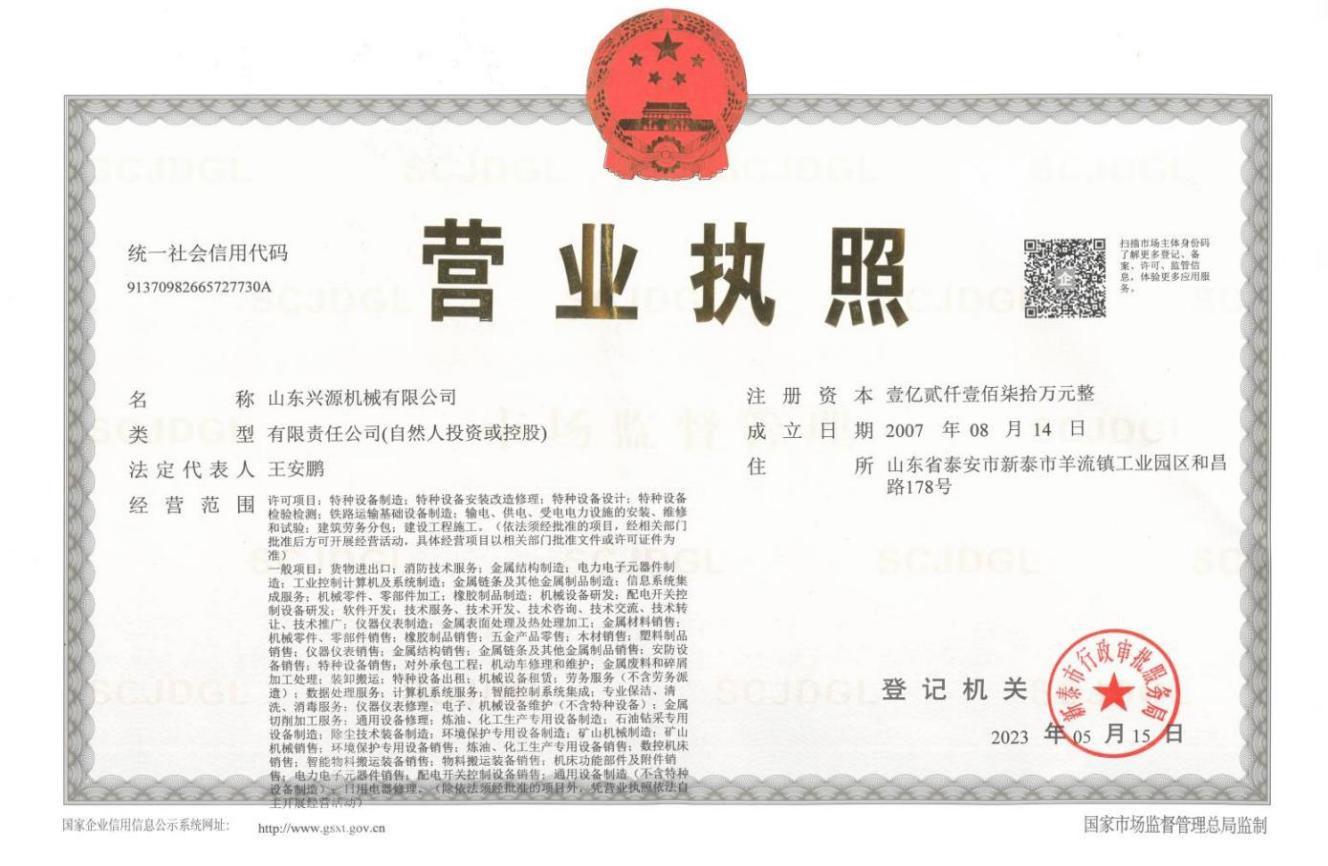
It is a member unit of the China Crane Industry Association, a "national second-level enterprise", a first-level safety certification enterprise, an A-level installation, transformation, and maintenance enterprise, and a national designated manufacturer of lifting machinery. It has a mechanical engineering "Design Certificate", "Production License" and manufacturing, installation, repair, transformation, and maintenance "Safety Approval Certificate", and has passed ISO9001 quality system certification, ISO14001 environmental system certification and ISO45001 occupational health and safety management system certification.
FAQ
What’s the information should l provide when inquiry?
Can you provide custom service?
How do you guarantee the quality?
How do you package the product?
2.If the size are suitable for container ship, usually by container.
3.Big size, usually by bulk ship or by container after truncation
4.Transport ways are based on reducing cost & keep safety.
Are there professional technicians to assist in the installation?
What international certifications have your crane passed?
ONLINE INQUIRY


POPULAR PRODUCTS
CONSULTAR
Copyright : SHANDONG XINGYUAN MACHINERY CO., LTD. Powerby : CEGLOBAL | SEO | Privacy agreement