

Hoist Winch
- Commodity name: Hoist Winch
Keyword:
Hoist Winch
- PRODUCT DESCRIPTION
-
Winch (Hoist Winch) – Product Overview & Working Principle
1. Core Positioning
A winch is a general‑purpose lifting device that uses a drum to wind wire rope or chain for lifting, lowering, or pulling heavy loads. Its core functions are to provide stable pulling force and precise displacement control. Winches are widely used in construction, port loading/unloading, mining, engineering machinery, shipping, and other industries, serving as the core power component of lifting and transport systems.
2. Working Principle
A power source (electric motor or hydraulic motor) outputs torque, which is transmitted to a reducer to increase torque while reducing speed before being delivered to the drum.
As the drum rotates, it winds or unwinds the wire rope or chain. Pulley blocks (optional) may be used to amplify pulling force or change the direction of force.
A braking system (electromagnetic or hydraulic brake) controls the start and stop of the drum, enabling smooth lifting, lowering, and precise positioning of heavy loads.
Main Classification (By Core Dimensions)
Classification Dimension
Type
Core Features
Applicable Scenarios
Drive Method
Electric Winch
Simple structure, high efficiency (75% – 90%), convenient operation, relies on grid power supply.
Fixed-site operations (e.g., workshops, docks, construction sites).
Hydraulic Winch
High torque, strong impact resistance, adapts to harsh environments (high temperature / dusty / vibration), stepless speed regulation available.
Mobile equipment (e.g., cranes, excavators, ships).
Manual Winch
No power source required, compact structure, lightweight, relies on manual operation.
Small lifting tasks, emergency rescue, no-power scenarios.
Number of Drums
Single Drum Winch
Simple structure, low cost, suitable for single-direction traction / lifting.
Most general scenarios (e.g., construction hoisting, cargo traction).
Double Drum Winch
Dual drums with independent or linked control, enabling synchronous / asynchronous operation, improving efficiency.
Bridge construction, ship anchoring, complex traction operations.
Installation Method
Fixed Winch
Fixed to ground or frame, strong stability, large load capacity range.
Port terminals, mine hoisting, large construction projects.
Mobile Winch
Equipped with traveling wheels or tracks, high mobility, can move with the work point.
Field construction, temporary lifting, emergency rescue.
Rated Pull Force
Light-Duty Winch
Rated pull force ≤ 50 kN (approx. 5 t).
Small equipment handling, interior decoration, agricultural operations.
Medium-Duty Winch
Rated pull force 50 – 300 kN (5 – 30 t).
Construction hoisting, cargo transport, general industrial scenarios.
Heavy-Duty Winch
Rated pull force > 300 kN (> 30 t).
Mine hoisting, port loading/unloading, large equipment installation.
Winch – Core Structural Components
Power System
Asynchronous motor (electric winch)
Hydraulic motor (hydraulic winch)
Manual cranking device (manual winch)
Transmission System
Gear reducer (cylindrical gear or planetary gear)
Coupling
Drive shaft
Execution System
Drum – Made of rolled steel plate, featuring grooved design to prevent rope jumping
Wire rope or chain – Load‑bearing component
Braking System
Electromagnetic brake (electric winch)
Hydraulic brake (hydraulic winch)
Manual brake (manual winch)
Supports automatic braking upon power failure
Control System
Control cabinet – Includes VFD (frequency converter), contactors, etc.
Control handle – Wired or wireless remote control
Limit switch – Prevents overwinding
Auxiliary Components
Guide pulley
Wire rope level‑wind device (rope arranger)
Overload protection device
Protective housing / cove
Winch Technical Specifications
Category
Parameter Item
Reference Value
Remarks (Including Standards & Applicable Scenarios)
Basic Parameters
Rated Pull Force
10 kN – 5000 kN (1 – 500 t)
Light-duty ≤ 50 kN, Medium-duty 50 – 300 kN, Heavy-duty > 300 kN.
Rated Speed (Wire Rope / Chain)
0.1 – 10 m/min (Electric); 0.05 – 5 m/min (Hydraulic)
Stepless speed regulation available via VFD or hydraulic valve.
Drum Specification (Diameter × Length)
Diameter: 80 – 1500 mm; Length: 300 – 5000 mm
Drum diameter ≥ 16 × wire rope diameter (GB/T 10055 standard).
Rope Capacity
5 – 1000 m
Customized according to working height / traction distance; multi-layer winding drum available.
Work Duty Class
M1 – M8 (GB/T 3811-2008)
Light-duty scenarios M1 – M3, heavy-duty industrial scenarios M4 – M8.
Power System Parameters
Motor Power (Electric Winch)
0.55 – 1000 kW
Higher rated pull force requires higher power (e.g., 10 t winch equipped with 15 – 22 kW motor).
Hydraulic System Pressure (Hydraulic Winch)
10 – 35 MPa
Hydraulic motor displacement 10 – 200 mL/r.
Power Supply Specification (Electric Winch)
AC 380 V / 400 V / 660 V (Three-Phase), 50 / 60 Hz
Special scenarios customizable to 220 V single-phase or DC power supply.
Transmission & Braking Parameters
Transmission Ratio
10 – 1000 (Multi-stage reducer)
Planetary reducer transmission ratio more precise (error ≤ ±0.5%).
Braking Method
Electromagnetic normally-closed brake, Hydraulic disc brake, Band brake
Braking torque ≥ 1.5 times rated load torque, ensuring safe stopping.
Braking Response Time
≤ 0.3 s (Electric); ≤ 0.5 s (Hydraulic)
Rapid braking after power-off / shutdown to prevent load slipping.
Structural Parameters
Overall Weight
50 kg – 50000 kg
Light-duty ≤ 500 kg, heavy-duty up to 50 t or more (including base).
Installation Dimensions (L × W × H)
500 × 300 × 400 mm – 5000 × 3000 × 4000 mm
Fixed type dimensions are larger; mobile type is more compact.
Wire Rope Specification
Diameter: 6 – 60 mm, Strength Grade: 1550 – 1960 MPa
Material: galvanized steel wire rope or stainless steel wire rope, wear-resistant and corrosion-resistant.
Safety & Environmental Parameters
Overload Protection
Alarm at 10% – 20% overload; shutdown at 25% overload.
Equipped with tension sensor or torque limiter.
Limit Protection
Upper / lower limit switches (mechanical + electronic dual protection).
Prevents overwinding of drum causing wire rope breakage.
Protection Class
IP44 – IP65
Select IP54 or above for outdoor / dusty environments; IP65 for humid environments.
Operating Temperature Range
-40 ℃ – +60 ℃ (Standard); -50 ℃ – +80 ℃ (Special Type).
Cooling system required for high-temperature scenarios; special lubricating oil needed for low temperatures.
Noise Level
≤ 75 dB (measured at 1 m distance).
Higher gear precision results in lower noise (precision transmission ≤ 65 dB).
Applicable Standards
Product Standards
GB/T 10055-2023 "Safety Regulations for Lifting Appliances", GB/T 14405-2011 "General Purpose Bridge Cranes".
Complies with national lifting equipment safety standards; some models comply with ISO 4301.
Other Crane Accessories

FACTORY APPEARANCE
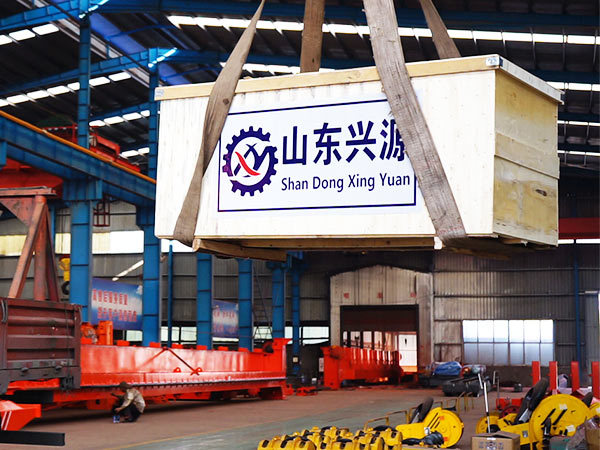
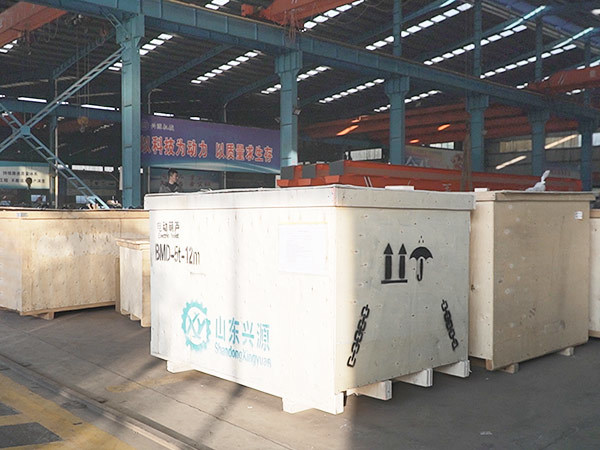
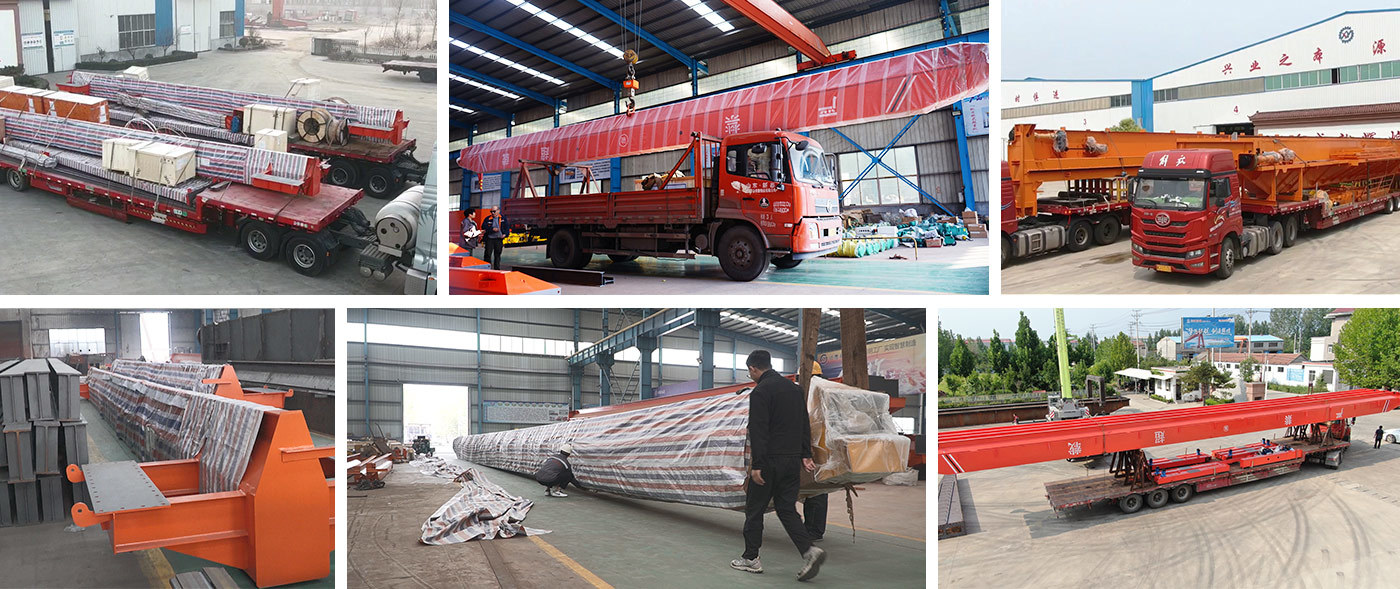
PACKING AND DELIVERY
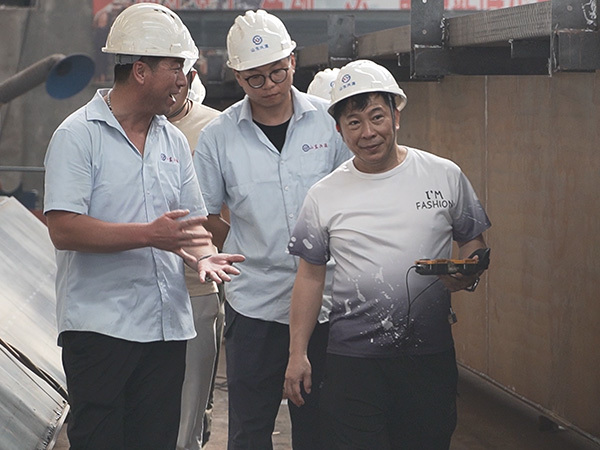
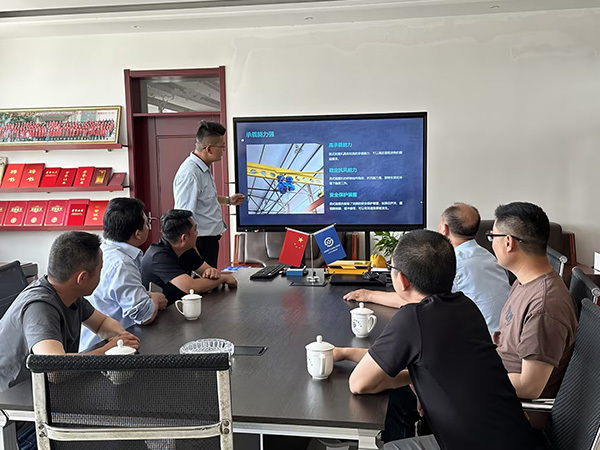
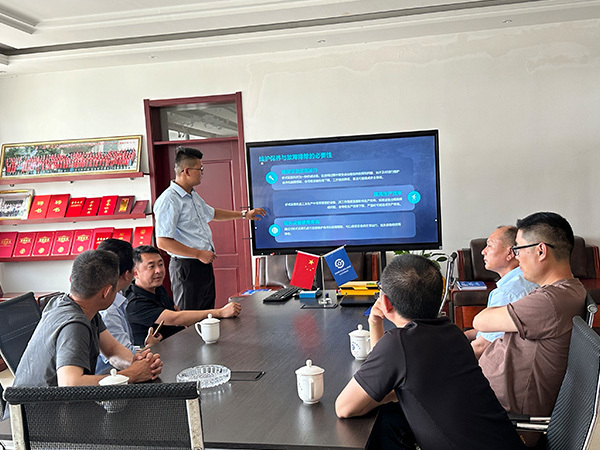
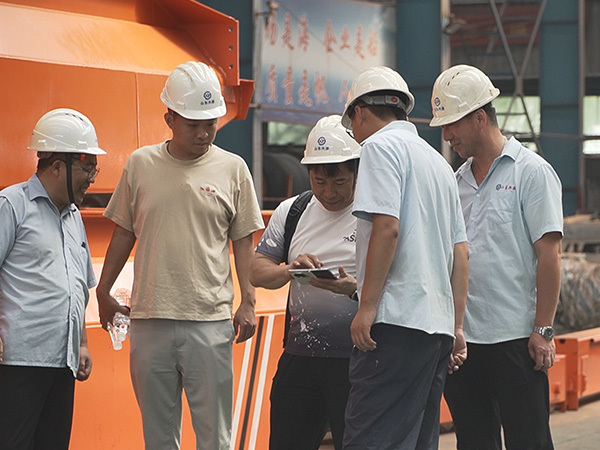
CUSTOMER VISIT


HONOR
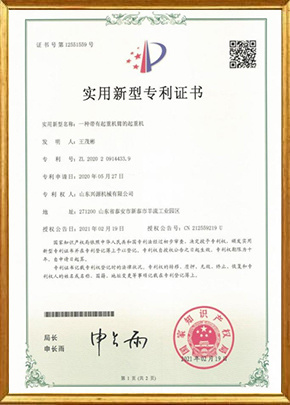
HONOR
The quality reaches the first-class level
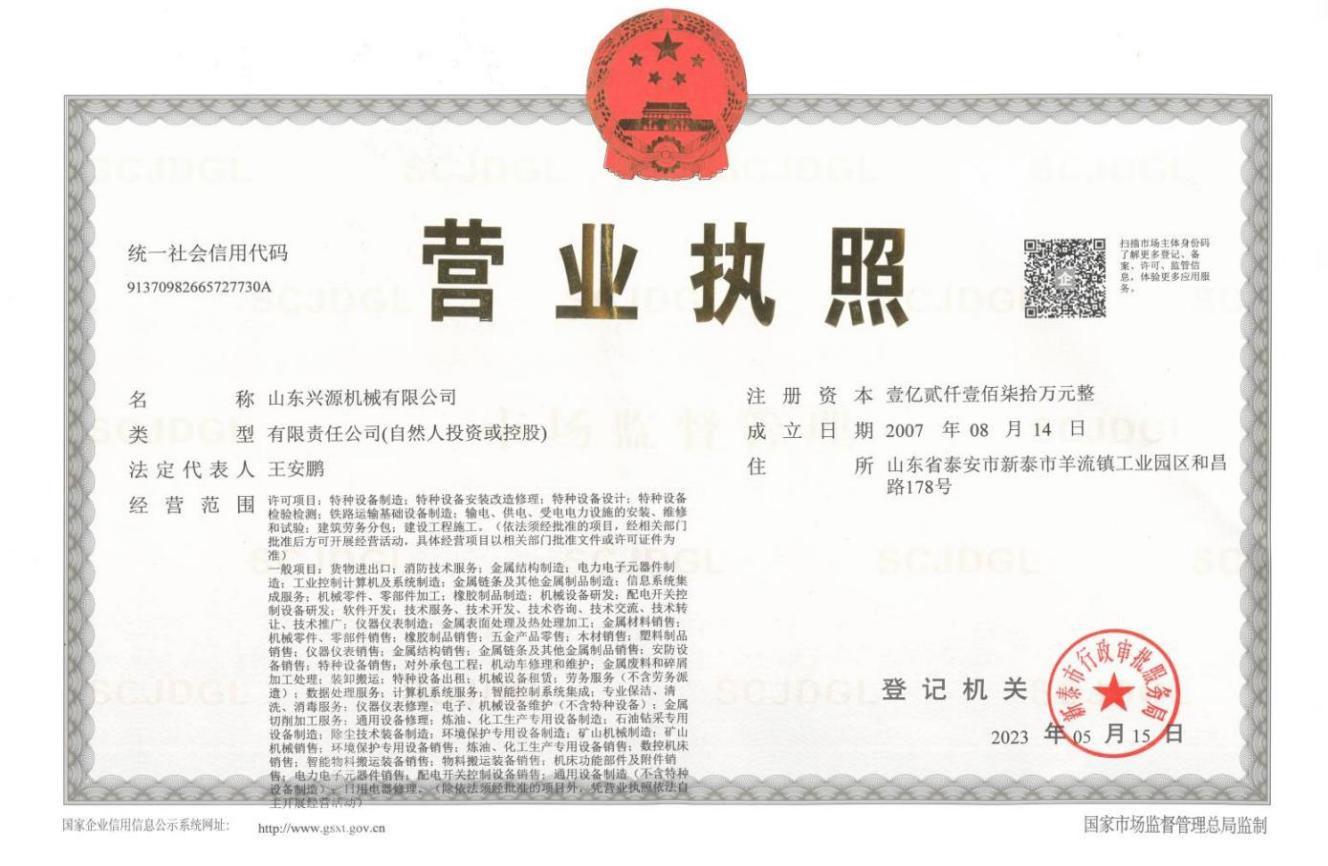
It is a member unit of the China Crane Industry Association, a "national second-level enterprise", a first-level safety certification enterprise, an A-level installation, transformation, and maintenance enterprise, and a national designated manufacturer of lifting machinery. It has a mechanical engineering "Design Certificate", "Production License" and manufacturing, installation, repair, transformation, and maintenance "Safety Approval Certificate", and has passed ISO9001 quality system certification, ISO14001 environmental system certification and ISO45001 occupational health and safety management system certification.
FAQ
What’s the information should l provide when inquiry?
Can you provide custom service?
How do you guarantee the quality?
How do you package the product?
2.If the size are suitable for container ship, usually by container.
3.Big size, usually by bulk ship or by container after truncation
4.Transport ways are based on reducing cost & keep safety.
Are there professional technicians to assist in the installation?
What international certifications have your crane passed?
ONLINE INQUIRY

POPULAR PRODUCTS
CONSULTAR
Copyright : SHANDONG XINGYUAN MACHINERY CO., LTD. Powerby : CEGLOBAL | SEO | Privacy agreement